
Auto Shipping Basics
Auto shipping has a learning curve, but it is not a steep one. A handful of concepts explain nearly everything: how the service works, how it is priced, and what your responsibilities are.
This is the foundations course. No jargon without explanation, no assumed knowledge, just the basics you need before you start collecting quotes.
Once these ideas click, every quote and every company policy you read will make sense. That understanding is what keeps you from overpaying.
The Core Idea
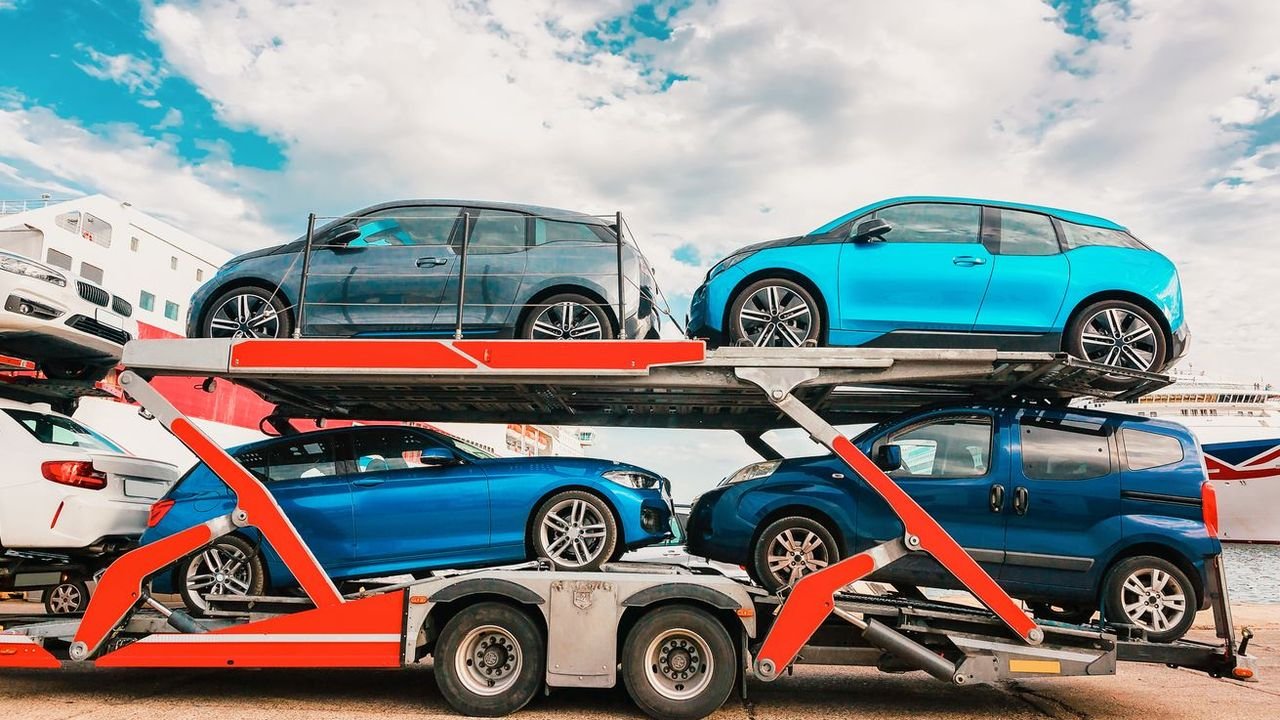
Auto shipping means your vehicle travels on a truck built for the job instead of being driven. The industry moves millions of cars a year this way, for relocations, online purchases, seasonal moves, and dealer transfers.
The trucks are called carriers. Open carriers are the familiar double-decker trailers stacked with cars that you see on every interstate. Enclosed carriers are covered trailers used for vehicles that need extra protection.
For a fuller picture of the service itself, see what is auto transport.
The Two Types of Companies
Carriers own trucks and employ drivers. Brokers arrange shipments between customers and carriers. When you search online for car shipping, most of the companies you find are brokers.
Brokers earn their keep by knowing the market. A good broker knows which carriers run your route, what those carriers charge, and how to get your car on a truck within your timeframe. They post your vehicle to national load boards where carriers shop for loads.
Load boards are industry marketplaces where carriers pick up posted jobs, and brokers post thousands of vehicles there every week. The broker’s fee, typically $100 to $200 of your total price, covers finding the carrier, coordinating timing, and handling problems that come up.
The risk is the bad broker who quotes a price no carrier will accept, just to win your deposit. Then your pickup stalls while they come back asking for more money. This is why vetting matters more than finding the lowest number.
Always confirm whether a company is a broker or a carrier, and verify their operating authority on the FMCSA website. Legitimate companies list their USDOT and MC numbers openly.
How Pricing Works
Distance sets the baseline
Distance is the largest single factor in your quote. But the relationship is not linear. Short trips cost more per mile because the fixed work of loading, securing, and unloading does not shrink with distance.
A 300 mile trip might cost $450, which looks expensive per mile. A 2,500 mile trip might cost $1,400, which is far cheaper per mile but more in total. Understanding this keeps short-trip quotes from looking like ripoffs.
Vehicle size and condition
Bigger and heavier vehicles cost more because they take up more trailer space and add weight. Expect SUVs and trucks to run $100 to $300 above sedan pricing on the same route.
Non-running vehicles cost extra too, usually $100 to $200, because they need a winch for loading. Modified vehicles with oversized dimensions can cost more as well, since they may take up more than one standard slot.
Route and season
Popular routes between major cities are cheaper because carriers compete for the business and rarely run empty. Remote or rural endpoints cost more because the driver goes out of the way.
Summer is peak season, with prices running 10 to 20 percent above average. Snowbird routes to Florida and Arizona stay busy through winter. If your dates are flexible, shifting by a few weeks can save real money.
Our car shipping cost guide breaks down every factor in detail, and the cost per mile page explains why the per-mile math surprises so many people.
How Timing Works
Two separate clocks govern your shipment. The pickup window is the range of days when the driver collects your car, typically 1 to 5 days starting from your first available date. Transit time is the actual time on the road.
Transit time scales with distance. A regional move might take 1 to 3 days, while a coast to coast run takes 7 to 10 days. Weather, traffic, and the driver’s other pickups and deliveries add variability.
Delivery dates are estimates, not guarantees. Build a few days of buffer into your plans, especially if you need the car by a hard deadline like a flight or a job start date.
Your Responsibilities
Your main job is preparation and paperwork. Wash the car, photograph it thoroughly, remove personal items beyond the allowed limit, and leave about a quarter tank of fuel.
A clean car matters because dirt can hide scratches during the pickup inspection. Photograph all four sides, the roof, and any existing damage, and keep those photos until delivery is signed. Disable the alarm too, since a siren going off on a trailer in the middle of the night helps nobody.
At pickup, you or your representative walks around the car with the driver and records its condition on the bill of lading. Both parties sign it. This document is your protection, so give it your full attention.
At delivery, you inspect again against the pickup report before signing. If there is new damage, note it on the paperwork and photograph it before the driver leaves. Then contact the company to file a claim.
Payment is usually split: a deposit at booking and the balance on delivery. Confirm the accepted payment methods in advance, since many drivers take cash, cashier’s checks, or money orders rather than cards.
Insurance Basics
Carriers are legally required to carry cargo insurance that covers vehicles in transit. Before you book, ask for proof of coverage and understand the deductible and limits.
Typical cargo policies cover $100,000 to $250,000 per vehicle, which is enough for most cars but worth confirming if you ship something valuable. Ask for a certificate of insurance with your name on it, not just a verbal promise that coverage exists.
Your personal auto insurance generally does not need to stay active in the usual way during transport, but check with your insurer. Some people keep comprehensive coverage in place for peace of mind.
Personal belongings left in the car are not covered by the carrier’s policy. This is why companies limit what you can leave inside and why valuables should never ride along.
If damage occurs, the claim goes through the carrier’s cargo insurance. The bill of lading from pickup and delivery is the evidence that makes or breaks the claim, which is why those inspections matter so much.
Open vs Enclosed: The Key Choice
Open transport suits the vast majority of vehicles. It is how dealerships receive new cars, and it is priced for normal budgets. Your car is exposed to weather and road dust, but so is every car on the highway.
About 90 percent of consumer shipments go on open carriers, so there are more trucks, more scheduling options, and more price competition. A car wash at delivery takes care of any road dust.
Enclosed transport is the premium option. The trailer is fully covered, and many enclosed carriers use soft straps and lift gates instead of ramps. The price premium of 40 to 60 percent buys protection and peace of mind.
The rule of thumb is simple. If your car is a daily driver, open transport is the sensible pick. If it is a luxury car, classic, exotic, or a fresh restoration, enclosed is worth the money.
Different vehicles can have different needs beyond this choice. The vehicle shipping guide covers what changes for SUVs, trucks, motorcycles, and classics, and how car shipping works shows the full process end to end.
What to Ask Before You Book
Start with the basics of their business. Ask whether they are a broker or a carrier, and get their USDOT and MC numbers so you can verify them. A company that hesitates to share these numbers is not one you want to book with.
Ask exactly what the quoted price covers and what could change it. Find out whether the quote is all in, or whether fees, fuel surcharges, or residential pickup charges might be added later. Get the final terms in writing before you pay any deposit.
Ask about their insurance in plain terms. What is the coverage limit, what is the deductible, and how do you file a claim if something goes wrong? Also ask for proof of coverage, which a legitimate company will provide without argument.
Ask how pickup and delivery windows work on your route. Find out how much notice the driver gives before arriving, what happens if you are not there, and what the cancellation policy is.
Vague answers here are a reason to keep looking. If you are comparing companies and want to know where the real savings are, our cheapest way to ship a car guide breaks the options down.
Finally, ask who your point of contact is after booking. You should have one name and one number to call if timing changes or problems come up.
If a company routes everything through a generic support queue, expect slow answers when it matters. For the full booking sequence, the how to ship a car step by step walkthrough shows what happens at each stage.
Frequently Asked Questions
What does auto shipping typically cost?
A running sedan on an open carrier usually costs $550 to $1,800 depending on distance. SUVs and trucks add $100 to $300, enclosed transport adds 40 to 60 percent, and non-running vehicles add about $100 to $200.
How long does auto shipping take?
Transit time runs from 1 to 3 days for short regional trips up to 7 to 10 days coast to coast. The pickup window adds 1 to 5 days on the front end, depending on your route and flexibility.
Is auto shipping safe?
Yes. Millions of cars ship annually with very few damage claims. Carriers carry cargo insurance, and the bill of lading inspections at pickup and delivery document your car’s condition. Photograph your car beforehand as backup.
Can I leave things in my car?
Most carriers allow up to 100 pounds of personal items in the trunk, below the window line. These items are not insured, so keep valuables out. Some carriers ban personal items entirely, so confirm the policy when you book.
Do I need to be there for pickup and delivery?
You or someone you authorize must be present to sign the bill of lading and release the keys. A friend or family member can stand in. Whoever it is should take the inspection seriously and keep copies of everything.
What is the difference between a broker and a carrier?
A carrier owns the trucks and employs the drivers who move your car. A broker arranges the shipment between you and a carrier, usually through industry load boards. Most companies you find online are brokers, which is fine as long as you vet them carefully.
How far in advance should I book auto shipping?
Two to three weeks before your first available pickup date is the sweet spot. That gives brokers time to match your car with a carrier at a fair price. Booking much earlier rarely helps, and booking with only days to spare usually costs more.
Will my car be driven during shipping?
No. Your car rides on the trailer for the entire trip, and the odometer reading at delivery should match the reading at pickup. The only exception is the short drive onto and off the trailer during loading and unloading.
Those are the basics, and honestly they cover most of what you will ever need to know. The rest is just applying them: get several quotes, check the company, prep the car, and inspect at both ends. Cars.com also maintains a useful transport overview if you want a second source on the fundamentals.


