Can You Ship a Leased Car
Yes, you can ship a leased car. A lease does not lock your car to one zip code. But it does add a layer of permission to the process, because someone else owns the car and they get a say in where it goes.
That permission layer is the entire story. The truck does not care who holds the title. The driver needs the keys, a working car, and a signature. The leasing company cares about its asset, and its rules live in the lease agreement you signed.
This guide covers when you need the lessor’s permission, how to get it, what the shipment costs, and the lease-specific details that protect you at delivery. If you are new to the process in general, start with how car shipping works for the full step by step.
The Short Answer
For a domestic move within the United States, shipping a leased car works exactly like shipping any other car. Book a carrier, prepare the vehicle, hand over the keys. Most lease agreements allow this without special permission, though reading your contract first is always wise.
The complication arrives with international shipments and, in some cases, moves to Hawaii or Alaska. Taking a leased car out of the country usually requires the leasing company’s written approval, and some lessors refuse. That approval step is the gate you have to pass.
Why the Leasing Company Gets a Say
A lease is a long-term rental with your name on the maintenance bills. The leasing company owns the vehicle and carries the financial risk if something happens to it. That ownership is why they can set conditions on where the car goes.
Most lease agreements include a geographic clause. Many restrict use to the United States and Canada. Some are stricter. The exact wording matters, and it varies by lessor, which is why generic advice only goes so far. Your contract is the document that counts.
This is not the company being difficult. An asset worth tens of thousands of dollars crossing into a jurisdiction where repossession is complicated is a real business risk. Understanding their position makes the permission conversation go more smoothly.
Getting Permission: The Practical Steps
Permission is a process, not a single phone call. Work through it in order and keep a paper trail, because verbal assurances are worth very little if something goes wrong later.
Check your lease agreement first
Read the section on vehicle use, geographic restrictions, and your obligations. Look for any mention of transport, relocation, or taking the vehicle out of state or country. If the language is unclear, note the exact wording to ask about.
While you are in the document, check the mileage terms too. Knowing your annual cap and your overage rate will matter when you decide whether shipping or driving makes more financial sense.
Call the leasing company
Ask for written permission to transport the vehicle, and be specific about the route and dates. Get the permission in writing, not just a verbal yes from a phone representative. An email or letter on company letterhead is what you want in your file.
Ask two extra questions while you have them on the line. First, whether the permission has conditions, like enclosed transport or specific insurance. Second, whether the move affects anything else in your agreement. Document the answers.
Where Permission Gets Hard: Leaving the Country
Domestic transport rarely triggers a refusal. International transport does. Many leasing companies will not authorize taking a leased vehicle to another country, and some lease agreements prohibit it outright. This is the single most common “no” in leased car shipping.
The logic is straightforward. Once the car leaves the country, the lessor’s ability to recover it drops sharply. Some lessors make exceptions for military members under orders or for Canada, but exceptions are just that. Do not assume yours will be granted.
If you are relocating abroad, explore your options early. Some lessees buy out the lease, some transfer it, and some arrange to return the car. Shipping a car to Mexico with a lien on it, for example, means satisfying both the lienholder and Mexican import rules at the same time, which is a narrow path.
The Mileage Math That Favors Shipping
Here is the part lessees often miss. Most leases cap your annual mileage, with overage fees at lease end. A cross-country drive can burn through an entire year’s allowance in a single week, and the overage bill can exceed the cost of shipping.
Shipping adds zero miles to the odometer. For a lessee facing a 2,500 mile relocation, the math is simple. Compare the shipping quote against your per-mile overage rate multiplied by the drive distance. The truck often wins, and the car arrives without the wear of a long drive.
This is also why booking early matters for lessees. The cheapest way to ship a car is an open carrier booked a few weeks out, and that price is almost always below the overage fees on a long drive. Run your own numbers with your lease’s per-mile rate.
What It Costs to Ship a Leased Car
Shipping a leased car costs the same as shipping any car on the same route. For a running sedan on an open carrier, a typical domestic range in 2026 is $600 to $1,200 for regional moves and $1,100 to $1,700 for cross-country runs. Enclosed transport adds 40 to 60 percent.
The lease itself does not add a shipping surcharge, but it can add indirect costs. If your lessor requires enclosed transport as a condition of permission, you pay the enclosed premium. If the permission process delays your booking, you may lose the early-booking window when prices are best. Handle the permission step first so it does not compress your timeline.
Get quotes the normal way: multiple companies, itemized, in writing. A broker or carrier that knows you are shipping a leased vehicle should not charge more for it. If one does, that is a sign to keep shopping rather than a standard industry practice.
Preparing a Leased Car for Transport
Preparation for a leased car follows the standard process with one addition: documentation. Photograph the car thoroughly before pickup, because at lease end the lessor will inspect it and charge for damage beyond normal wear. Your pre-shipment photos prove what was already there.
Clean the car, remove personal items, leave a quarter tank of fuel, and disable the alarm. Note the exact mileage at pickup and have the driver record it on the bill of lading. That mileage record protects you if any question arises later about when miles were added.
Keep every piece of paperwork from the shipment. The bill of lading, the condition report, the delivery receipt. At lease return, these documents are your evidence that the car traveled safely and arrived in the condition it left.
Open vs Enclosed for a Leased Car
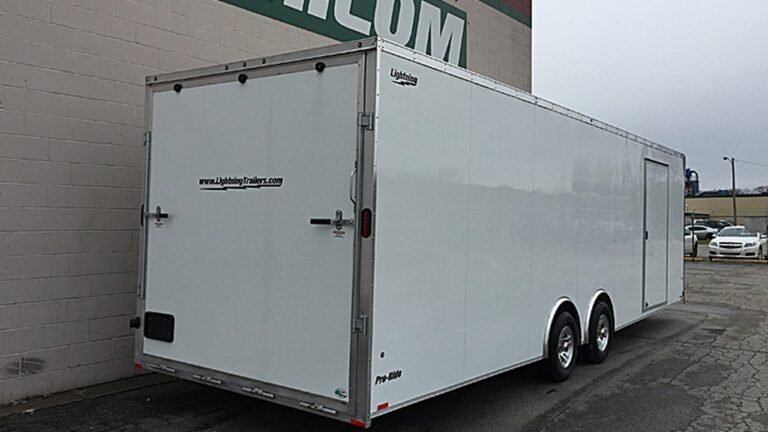
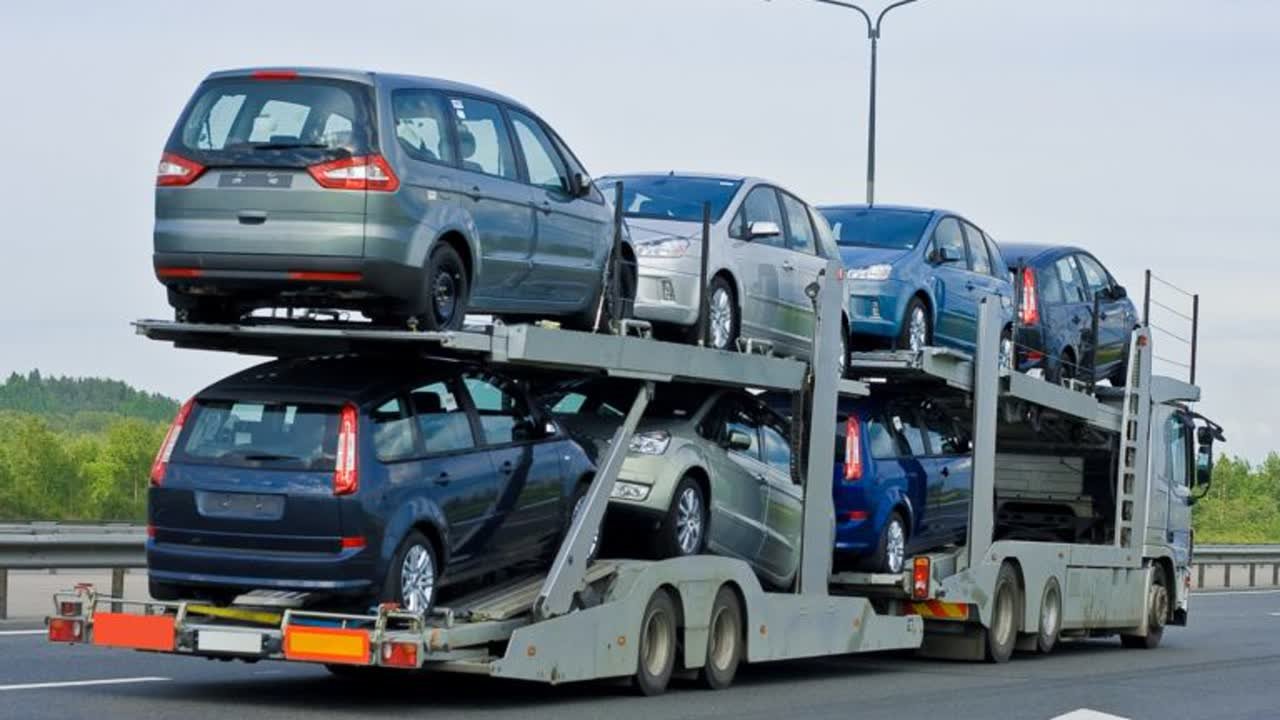
Open transport is the standard choice and works fine for most leased vehicles. Your car rides on an open trailer, the same way new cars travel to dealerships every day. For an ordinary leased sedan or SUV, open transport is the sensible default.
Enclosed transport makes sense when the car’s condition at lease end really matters to your wallet. Luxury and high value leased vehicles face stricter wear assessments, and enclosed shipping protects the paint and finish from road exposure. Luxury car shipping practices apply here even though the car is leased, not owned. For the full comparison, see open vs enclosed auto transport.
The cost difference is real. Enclosed typically adds 40 to 60 percent. Weigh that against your lease’s excess wear charges and decide which risk you would rather pay to avoid.
Insurance: Who Covers What
The carrier’s cargo insurance covers your car during transport, leased or not. Ask for the certificate of insurance before booking and check the coverage amount against your car’s value. This is standard practice for any shipment.
Your own auto insurance usually continues to apply as well, and your lease requires you to maintain it. Some lessors want to be named or notified. Check whether your policy has any exclusion for commercial transport and close any gap before the truck arrives.
The bill of lading is the document that ties it all together. Inspect the car with the driver at pickup, note every existing mark, and sign only when the report is accurate. Car shipping insurance claims live or die on that piece of paper, so treat the inspection as the most important ten minutes of the whole shipment.
Red Flags for Leased Car Shipments
The scams that target leased car owners are the same ones that target everyone else, with one twist. Any company that tells you permission from your lessor is unnecessary for an international move is either ignorant or lying. Verify everything yourself.
Watch for the classics. Quotes far below the market, demands for large cash deposits, no MC number, no written contract. A legitimate broker or carrier is registered and verifiable. The broker vs carrier distinction is worth understanding before you book, because it affects who is actually responsible for your car. What a car shipping broker does explains the model in plain terms.
The FMCSA’s guidance on selecting a mover covers the verification steps, and Edmunds’ car shipping cost guide is a solid independent reference on pricing. If a company’s story does not match what those sources describe, walk away.
Frequently Asked Questions
Can you ship a leased car?
Yes. A lease does not prevent you from shipping the car, especially for domestic moves. The key step is checking your lease agreement and getting the lessor’s written permission when required, which is almost always the case for international shipments.
Do I need permission from the leasing company?
For most domestic moves, many leases allow transport without special permission, but you should still read your contract. For international moves, written permission is typically required, and some lessors refuse. Get any permission in writing and keep it with your shipment documents.
Can I ship a leased car overseas?
Sometimes, with the leasing company’s written approval. Many lessors refuse or restrict international transport, so ask early. If approval is denied, your options include buying out the lease, transferring it, or returning the car before you move.
Does shipping add miles to a leased car?
No. Shipping adds zero miles to the odometer, which is one of the biggest advantages for lessees. A long drive can trigger expensive mileage overage fees at lease end, while transport keeps your mileage exactly where it was.
Who is liable if a leased car is damaged in transit?
The carrier’s cargo insurance is the first line of coverage. Document the car’s condition at pickup with photos and an accurate bill of lading, because that record determines what you can claim. Your own auto policy may also apply, and your lease requires you to maintain it.
Can I ship a leased car to another state?
Yes. State-to-state transport of a leased car works like any other domestic shipment. Check your lease for geographic restrictions first, book a registered carrier, and keep the lessor informed if your agreement requires it.
Should I tell the transport company the car is leased?
Yes, mention it when you book. It does not change the price, but it helps the company prepare the right paperwork and flag any issues early. If the driver needs to note the lienholder on any document, having that information ready keeps pickup smooth.
What happens at lease end after shipping?
The lessor inspects the car for excess wear and mileage just like any returned lease. Your pre-shipment photos, the bill of lading, and the delivery receipt prove the car’s condition through the move and protect you from being charged for transit damage.
Shipping a leased car is mostly a paperwork exercise with a truck attached. Read the lease, get permission in writing where it is needed, document the car’s condition, and choose a verifiable company. Do those four things and the move is as routine as any other shipment. Skip them and the lease is where the trouble starts, not the highway.