
What Is Auto Transport
Auto transport is the service of moving a car from one place to another on a specialized truck, usually a multi-car carrier. Instead of driving the vehicle yourself, you hire a company to load it, haul it, and deliver it to your destination.
Millions of cars move this way every year. People use it when they relocate, buy a car from another state, send a car to a college student, or ship a classic to a show.
The industry has its own vocabulary, its own pricing logic, and a few traps for first-timers. Once you understand the basics, the whole process becomes much less intimidating.
What Auto Transport Actually Means
At its simplest, auto transport means your car rides on a truck instead of being driven. The trucks are called carriers, and they come in two main flavors: open and enclosed.
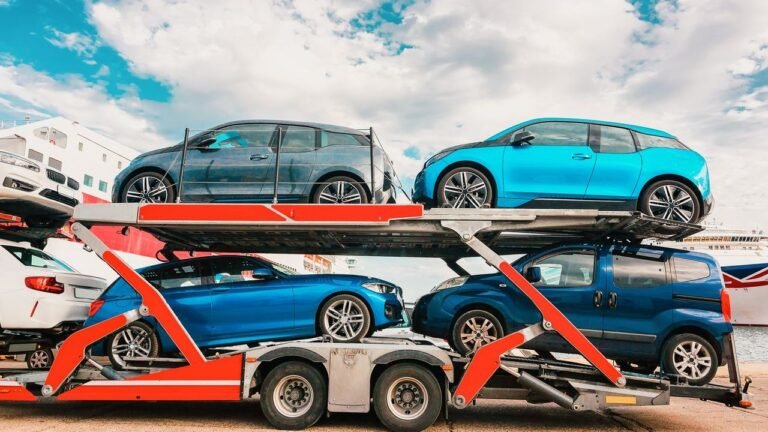
Open carriers are the double-decker trailers you see on the highway stacked with eight to ten cars. They handle the vast majority of shipments because they are efficient and affordable.
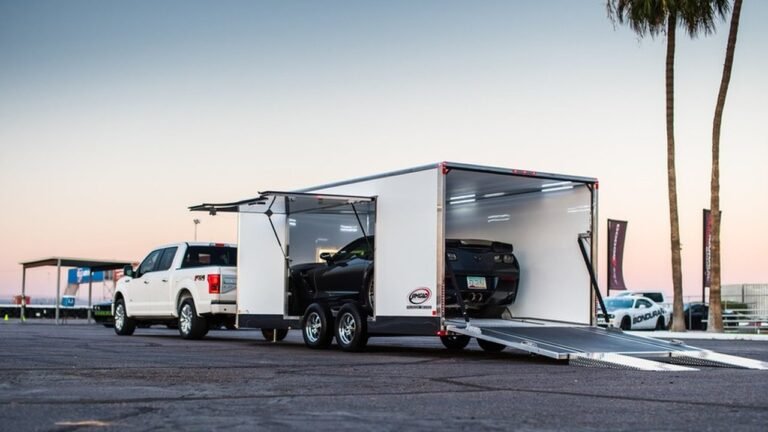
Enclosed carriers are fully covered trailers that protect vehicles from weather and road debris. They cost 40 to 60 percent more and are mostly used for luxury, classic, and exotic cars.
On a $1,200 open shipment, enclosed typically adds $480 to $720. Many enclosed trailers also use soft tie-downs and liftgate loading, which matter for low-clearance sports cars. For vehicles worth under roughly $70,000, most owners find open transport perfectly adequate.
Both types do the same job. The difference is the level of protection and the price you pay for it.
Brokers vs Carriers
Two kinds of companies sell auto transport, and knowing which one you are talking to matters. A carrier owns the trucks and employs the drivers. A broker does not own trucks but arranges your shipment with a carrier from its network.
Most of the companies you find online are brokers. That is not a bad thing. Good brokers know which carriers run your route, what a fair price is, and how to get your car moved on your schedule.
The trouble starts with bad brokers who quote unrealistically low prices to win your booking, then cannot find a carrier willing to take the load. Your pickup gets delayed while they ask you for more money.
A classic red flag is a quote that comes in $200 or more below every competitor. Another is pressure to pay a large nonrefundable deposit before any carrier is assigned. Reputable brokers explain how their price was calculated and put the pickup window in writing.
When you compare companies, ask directly whether they are a broker or a carrier. Then check their reviews and their registration with the Federal Motor Carrier Safety Administration, which regulates interstate auto transport.
How a Shipment Moves From Quote to Delivery
The process starts with a quote based on your route, vehicle, and dates. You will usually get a price range rather than a fixed number, because the final rate depends on which carrier accepts the load.
Once you book, the broker posts your vehicle to a national load board where carriers look for loads. A carrier that is already running your route, or can fit your car into its schedule, accepts the job.
The driver calls you to arrange pickup, typically within a window of a few hours. You or someone you trust hands over the keys, and both of you sign a bill of lading noting the car’s condition.
Walk around the car with the driver and point out every existing scratch and ding before anything gets written down. Take your own dated photos from all angles as a backup record. Never sign a blank or incomplete inspection form, since the bill of lading is the document any damage claim depends on.
Your car rides the truck to your destination, where the driver calls again to arrange delivery. You inspect the car, sign the paperwork, and pay any remaining balance.
If you want the full sequence in detail, our guide on how car shipping works walks through each stage with realistic timelines.
What It Typically Costs
Most open carrier shipments for a standard sedan fall between $550 and $1,800 depending on distance. Short regional trips sit at the low end, and coast to coast moves sit at the high end.
Distance is the biggest factor, but it is not the only one. Vehicle size, route popularity, season, and how flexible your dates are all move the number.
For a detailed breakdown of what drives the price, see our cost to ship a car guide and the average cost figures for 2026.
Who Uses Auto Transport
People relocating
Moving across the country is the most common reason. Driving one car while the moving truck carries your belongings only works if you have one car. Families with two or three vehicles usually ship at least one.
Online car buyers
Buying from a dealer or auction in another state is routine now. Transport closes the distance between the car you want and the driveway it needs to reach.
Seasonal movers
Snowbirds ship cars south in the fall and north in the spring. College students ship cars to campus. Military families ship cars with every PCS move.
Enthusiasts and collectors
Classic cars, project cars, and exotics travel in enclosed trailers to shows, auctions, and new owners. For these vehicles, not adding miles matters as much as avoiding damage.
What a Good Quote Looks Like
A trustworthy quote explains what you are paying for. It should state whether the price is for open or enclosed transport, door to door or terminal to terminal service, and what the pickup window is.
Be wary of quotes that come in far below everyone else. In this industry, the lowest price often means the broker has not actually secured a carrier at that rate. The real cost surfaces later as a delay or a demand for more money.
A realistic quote also mentions insurance coverage and the company’s cancellation policy. If those details are missing, ask for them before you put down a deposit. Reputable companies answer these questions without hesitation.
Price is only one part of the decision. A slightly higher quote from a company with strong reviews and clear communication usually beats the cheapest option. The Better Business Bureau is a good place to check complaint histories, and the FMCSA site lets you verify a company’s operating authority.
Questions to Ask Before You Book
The booking call is your best chance to separate solid companies from shaky ones. Ask a few pointed questions and listen for clear, specific answers.
First, ask whether the price is all-inclusive. Some quotes leave out fuel surcharges or fees for oversized vehicles, and those surface later. A trustworthy quote lists every charge in writing before you pay any deposit.
Ask when and how a carrier gets assigned to your shipment. Reputable brokers give you a realistic pickup window and explain that a carrier accepts your car from a national load board. If a company promises an exact pickup day weeks in advance, be skeptical, since drivers’ schedules shift constantly.
Ask about the deposit and the cancellation terms. A typical deposit runs $100 to $200, with the balance due on delivery. Understand exactly what you lose if you cancel, and get the policy in writing instead of trusting a verbal promise.
Finally, ask for the carrier’s insurance details and USDOT number once a truck is assigned, then verify them on the FMCSA site before pickup day. Test responsiveness too: companies that answer your questions quickly now are far less likely to go silent after taking your deposit.
If you want a checklist for comparing the quotes you collect, our guide to comparing car shipping quotes covers the warning signs, and the car shipping cost calculator helps you sanity-check whether a number is realistic.
Common Misconceptions
One myth is that your car gets driven to its destination. It does not. It rides on a trailer, and the odometer barely moves between pickup and delivery.
Another myth is that transport is only for expensive cars. Most shipped vehicles are ordinary daily drivers, and open transport is priced for regular budgets.
A third myth is that you need to empty the car completely. Most companies allow up to 100 pounds of personal items in the trunk, though they are not liable for them. Check the policy before you load up.
If you are brand new to all of this, start with our car transport guide for beginners or the auto shipping basics overview. Both assume zero prior knowledge.
How Long It Takes
Timing has two parts: the pickup window and the transit time. The pickup window is the range of days when the driver collects your car, usually 1 to 5 days from your first available date. Transit time is the actual time on the road.
Short regional trips take 1 to 3 days in transit, while coast to coast runs take 7 to 10 days. Delivery dates are estimates rather than guarantees, so build a few buffer days into your plans around flights or move-in dates.
Frequently Asked Questions
Is auto transport safe for my car?
Yes, for the overwhelming majority of shipments. Damage claims are rare, and carriers are required to carry cargo insurance. The bill of lading inspection at pickup and delivery is your protection, so take it seriously and photograph your car beforehand.
How far in advance should I arrange transport?
Two to three weeks is the sweet spot for most routes. That gives brokers time to match your car with a carrier at a fair price. Last minute bookings are possible but usually cost more.
Can I put personal items in the car?
Most companies allow up to 100 pounds in the trunk or below the window line. The items are not covered by the carrier’s insurance, so keep valuables out. Some carriers prohibit personal items entirely, so confirm before pickup day.
Does my car need to be running?
Running cars are cheaper and easier to ship because they can be driven onto the trailer. Non-running vehicles need a winch, which adds roughly $100 to $200 and limits which carriers can take the job.
How do I know a company is legitimate?
Check their USDOT and MC numbers on the FMCSA website and read recent reviews on the Better Business Bureau and Google. Legitimate companies are transparent about pricing and never demand full payment upfront before assigning a carrier.
Do I need to be there for pickup and delivery?
No, you can authorize someone you trust to hand over the keys and sign the bill of lading. Whoever you choose should be at least 18 and willing to inspect the car carefully. Their signature makes the condition report official, so brief them on what to check and give them the driver’s phone number and your booking confirmation.
What happens if pickup or delivery runs late?
Delays happen for ordinary reasons: weather, traffic, mechanical trouble, or an earlier load that ran long. Your car may also wait a day or two while the broker lines up a carrier on a quieter route. That is why every date in this business is an estimate, so avoid booking nonrefundable flights or movers for the same day your car is supposed to arrive. Stay in contact with the driver or dispatcher for updates rather than guessing.
Can I ship a car I just bought from a dealer or auction?
Yes, purchased vehicles are some of the most common shipments in the industry. Coordinate with the seller so the car is accessible with the keys on hand, and have your bill of sale or title documents ready. Many brokers will handle the seller handoff for you, which is worth asking about when you book.
Auto transport sounds complicated until you have done it once. After that, it feels like any other service: get a few quotes, pick a reputable company, and let the truck do the work.