Car Transport Guide for Beginners
Shipping a car for the first time feels like entering a world with its own language. Brokers, carriers, load boards, bills of lading. It is a lot to absorb when all you want is your car moved safely.
This guide assumes you know nothing. By the end, you will understand the options, the costs, and the exact steps to get your car from point A to point B without stress.
Think of car transport as hiring a moving company for your vehicle. You would not hand your furniture to a mover without checking them out first, and the same applies here.
Start With the Basics
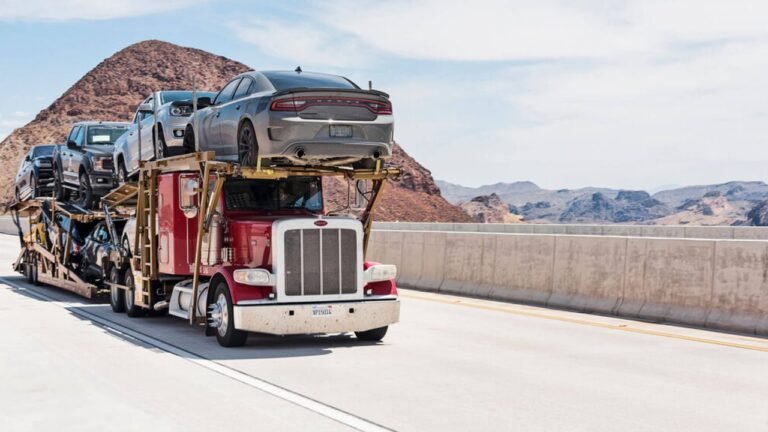
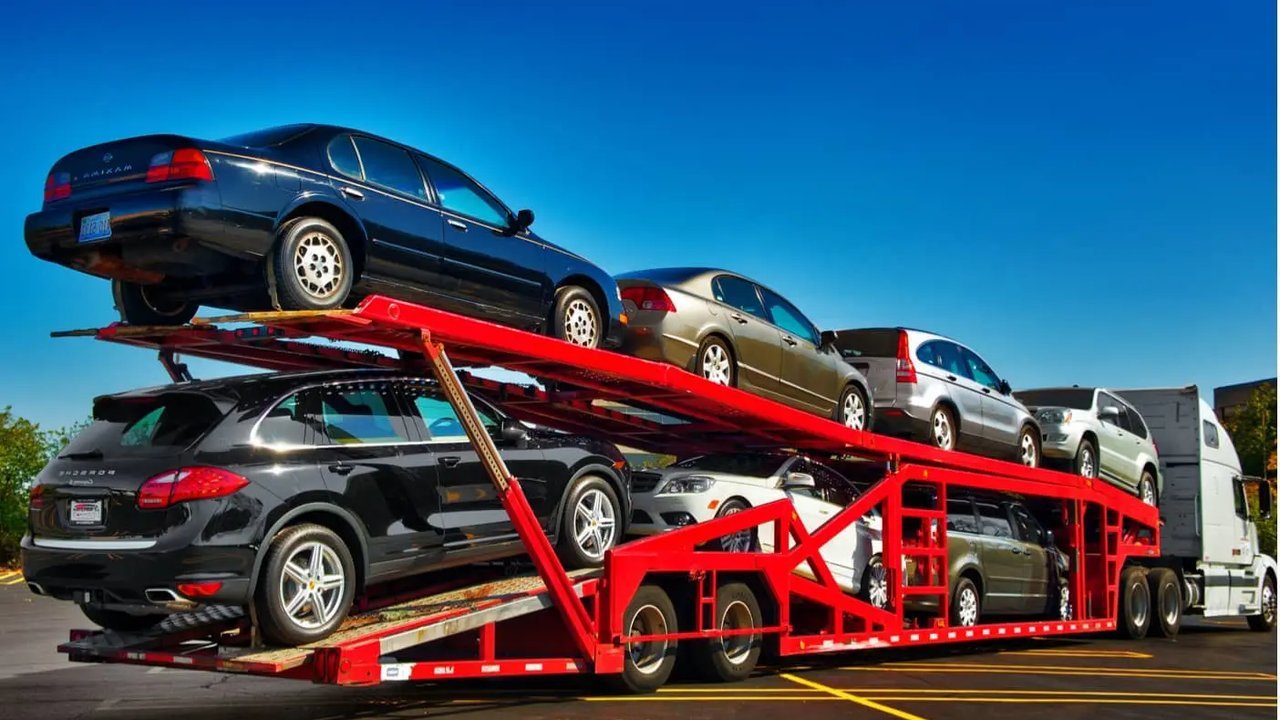
Car transport means your vehicle travels on a specialized trailer instead of being driven. Open trailers carry eight to ten cars at once and handle most shipments. Enclosed trailers protect cars from weather and debris at a premium price.
Two kinds of companies sell this service. Carriers own the trucks. Brokers arrange shipments with carriers from their networks. Most companies you find online are brokers, which is fine as long as they are reputable.
If any of these terms are new, our what is auto transport explainer covers the vocabulary in plain language.
Decide What Service You Need
Open transport
Open transport is the default and the cheapest option. Your car rides on an open trailer exposed to the elements, exactly like the new cars delivered to dealerships every day. For a daily driver, this is almost always the right choice.
Enclosed transport
Enclosed transport puts your car inside a covered trailer. It costs 40 to 60 percent more than open transport. Choose it for luxury cars, classics, exotics, or any vehicle where paint condition is critical.
Door to door vs terminal to terminal
Door to door means the driver picks up and delivers as close to your addresses as a large truck can legally get. Terminal to terminal means you drop off and collect your car at the company’s lots. Door to door costs a bit more but saves you two extra trips.
Get Quotes the Smart Way
Collect three to five quotes before deciding. You will quickly see the realistic price range for your route, and outliers in either direction become obvious.
If one quote comes back dramatically lower than the rest, treat it as a warning sign rather than a bargain. Ask the company how the price was calculated and whether a carrier is already lined up at that rate. Companies that dodge these questions rarely deliver on the number they quoted.
Give every company the same details: exact pickup and delivery locations, vehicle year and model, whether it runs, and your preferred dates. Comparing quotes with different inputs is meaningless.
Watch out for the lowball. A quote far below the pack usually means the broker has not actually lined up a carrier at that price. Our guide to comparing car shipping quotes shows how to spot the warning signs.
Ask each company about insurance coverage, the pickup window, and the cancellation policy. The answers tell you more about the company than the price does. The FTC’s consumer site also has solid general advice on avoiding moving-related scams, much of which applies here.
Prepare Your Car for Pickup
Wash your car before pickup day. A clean car makes the inspection faster and makes any existing scratches or dings easy to document. Take dated photos from every angle, including close-ups of existing damage.
Do this the day before or the morning of pickup so the car is still clean when the driver arrives. A quick spray at a self-serve wash is enough; you are not detailing it for a show. The goal is simply that any new damage is easy to spot against a clean surface.
Remove personal items beyond what the company allows. Most carriers permit up to 100 pounds in the trunk, but they are not liable for those items. Take out toll tags, parking passes, and anything valuable.
Leave about a quarter tank of gas. That is enough for loading and unloading without adding unnecessary weight. Check tire pressure, top off fluids, and make sure the battery is charged.
Disable alarms and provide any special instructions in writing, like how to start the car or quirks with the ignition. Drivers handle many cars a day, so clear notes help everyone.
Pickup Day: What Happens
The driver will call ahead, usually a few hours before arrival, to confirm the meeting point. Large carriers cannot always reach your exact driveway, so be ready to meet at a nearby parking lot or wide street.
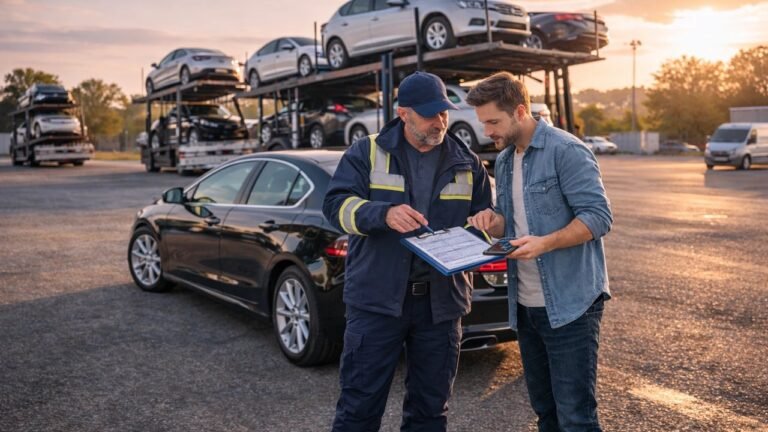
You and the driver walk around the car together and note every scratch, dent, and chip on the bill of lading. This document is your proof of the car’s condition, so do not rush it. Both of you sign it, and you get a copy.
You typically pay a deposit at booking and the balance on delivery, often by cash, cashier’s check, or money order. Confirm the payment method in advance so there are no surprises at either end.
Keep the driver’s phone number and the dispatch contact saved in your phone. Direct communication solves most small hiccups before they become problems.
Delivery Day: What to Check
The driver calls ahead again to arrange the delivery meeting. Inspect the car in daylight if possible, comparing its condition against the pickup bill of lading and your photos.
If you find new damage, note it on the bill of lading before signing and take photos immediately. Then contact the company to start a claim. This is rare, but the paperwork is what makes claims work.
Pay the remaining balance as agreed, get your copy of the signed delivery paperwork, and you are done. Most deliveries go smoothly and take only a few minutes.
For realistic expectations on how long the whole thing takes, see our car shipping transit time guide. And if budget is your main concern, the tips for finding cheap car shipping can save you real money without cutting corners.
Understanding the Timeline
Car transport has two clocks: the pickup window and the transit time. The pickup window is the range of days when the driver will collect your car, usually 1 to 5 days from your first available date. Transit time is the actual driving time, which depends on distance.
A 500 mile trip might take 1 to 3 days in transit, while a 2,500 mile trip takes 5 to 8 days. Weather, traffic, and the driver’s other stops all add variability, so treat delivery dates as estimates rather than promises.
Expedited shipping exists if you are in a hurry, but it costs significantly more because the broker must find a carrier with immediate space. For most people, standard timing with a reasonable pickup window is the better value. Edmunds has a helpful overview of transport options if you want a second opinion on timing and costs.
How Timing Affects Your Price
When you ship matters almost as much as where you ship. Demand swings through the year, and prices follow it.
Summer is the busiest season, as families move between school years and carriers fill up fast. Expect prices to run 15 to 25 percent higher than in quieter months. If you know a summer move is coming, booking in spring locks in better rates.
January and February are usually the cheapest months, since demand drops off after the holidays. Snowbird routes are the exception: shipments to Florida and Arizona spike in fall and head back north in spring. If your route runs against the seasonal flow, ask about discounts, since carriers sometimes cut rates to fill empty trailer space.
Your own flexibility is another lever. A five-day pickup window gives the broker room to match your car with a truck already running your route, which usually costs less. A narrow one-day window is the most expensive way to book, because the broker must pay a premium for a carrier with immediate space, and that cost lands on your invoice.
Lead time rounds out the picture. Two to three weeks of notice typically gets you the standard rate, while last-minute bookings can add $100 to $300. For more on what drives the final number, see the cheapest ways to ship a car and the average cost figures for common routes.
Mistakes Beginners Make
The biggest mistake is booking the cheapest quote without checking the company. A rock-bottom price with no carrier behind it means delays and a surprise price increase later.
Before you commit, read recent reviews on Google and the Better Business Bureau, looking specifically for complaints about delays and surprise fees. A pattern of the same complaint matters more than any single glowing review. Spending an extra $100 with a well-reviewed company usually buys a much smoother experience.
The second biggest mistake is skipping the inspection. Five minutes with the bill of lading at pickup protects you completely. Skipping it leaves you with no proof if damage appears.
The third is poor timing. Booking with only a few days’ notice limits your options and raises the price. Two to three weeks of lead time is the sweet spot for most routes.
For a detailed walkthrough of the booking sequence itself, see how to ship a car step by step and how to ship my car for the first-timer perspective.
Frequently Asked Questions
How much does it cost to ship a car?
Most open carrier shipments for a sedan run $550 to $1,800 depending on distance. Enclosed transport adds 40 to 60 percent. Your exact price depends on the route, vehicle size, season, and how flexible your dates are.
How long does car transport take?
Transit time depends on distance. Regional moves of a few hundred miles take 1 to 3 days, while coast to coast runs take 7 to 10 days. Add a few days on each end for the pickup and delivery windows.
Is my car insured during transport?
Yes. Carriers are required to carry cargo insurance that covers your vehicle in transit. Ask for proof of coverage before booking, and understand that personal items left in the car are not covered.
Can I track my car during shipping?
Most companies provide the driver’s direct phone number so you can check in. Some larger carriers offer GPS tracking. Real-time tracking like a package is not standard, but a quick call or text usually gets you an update.
What if my car gets damaged?
Note the damage on the bill of lading at delivery, photograph it, and file a claim with the carrier promptly. Valid claims are usually resolved through the carrier’s cargo insurance. This is uncommon, but the pickup inspection paperwork is what makes it work.
Should I ship my car or drive it myself?
It depends on the distance and what your time is worth. Driving 2,500 miles means two to four days on the road plus fuel, hotels, food, and wear on the car, which often adds up close to the shipping price. Shipping also spares you the risk of a breakdown hundreds of miles from home.
What paperwork do I need to ship my car?
Have your vehicle registration and proof of insurance ready, plus a photo ID at pickup. If you just bought the car, the bill of sale or title works in place of registration. The carrier provides the bill of lading, which is the document that records the condition inspection.
Can I ship a car with a full tank of gas?
You can, but carriers ask you not to. About a quarter tank is the standard request, which is plenty for loading and unloading. Extra fuel just adds weight, and a fully loaded trailer already pushes the legal weight limits carriers must respect.
Car transport is one of those things that sounds complicated and turns out to be straightforward. Learn the basics, pick a reputable company, document your car’s condition, and the truck does the rest.