

How to Ship a Car Step by Step
Shipping a car breaks down into a clear sequence of steps. Follow them in order and there are no surprises. Skip one and that is usually where the trouble starts.
This is the checklist version of the process. Each step tells you what to do, why it matters, and what to watch out for.
Keep this page open as you go. It is written to be used, not just read.
Step 1: Define Your Shipment
Write down the essentials: pickup address, delivery address, vehicle year, make, and model, whether the car runs and drives, and your earliest available date. Every quote and every booking starts from these facts.
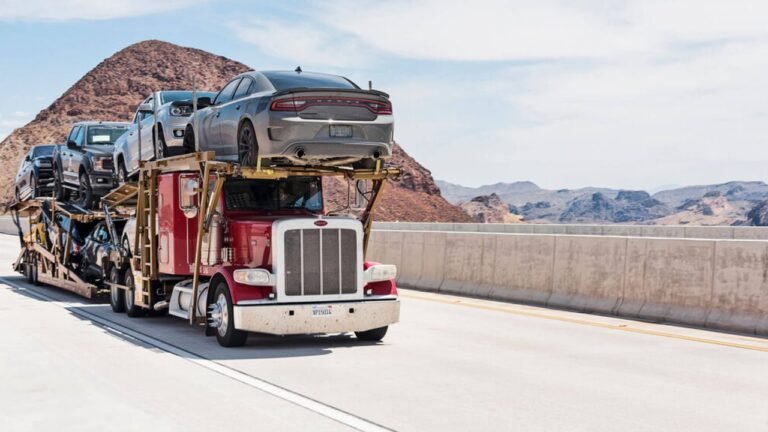
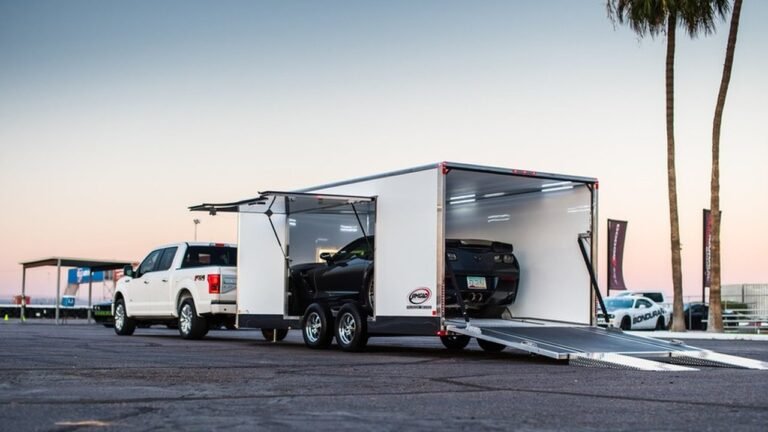
Decide on open versus enclosed transport now. Open is the standard trailer and the right call for daily drivers. Enclosed costs 40 to 60 percent more and suits luxury, classic, and exotic vehicles.
Also decide how firm your dates are. Flexible pickup dates give brokers more carriers to choose from, which usually means a better price and faster assignment.
A pickup window of three to five days is the industry norm. Insisting on a single exact date can add 20 percent or more to the price, because far fewer carriers can fit it into their routes. Weekend pickups are usually the hardest to lock in, since many drivers run Monday through Friday schedules.
Step 2: Research Price Ranges
Before talking to any company, learn the fair price range for your route. A running sedan on an open carrier typically costs $550 to $1,800 depending on distance, with most common routes falling somewhere in the middle.
Knowing the range is your armor against bad quotes. When a number comes in far below the range, you will recognize it as a lowball instead of a bargain.
Watch for quotes that demand full prepayment or come from companies that cannot show an active MC number. Both are classic bait and switch signals. Legitimate companies usually ask for a deposit of $100 to $250 at booking, with the balance due to the driver on delivery.
Our car shipping cost guide has the full breakdown by distance and vehicle type. Spend ten minutes there before you request a single quote.
Step 3: Collect Three to Five Quotes
Contact several companies with identical shipment details. Same addresses, same vehicle, same dates. Only identical inputs produce comparable quotes.
Expect price ranges rather than fixed figures. The final rate depends on which carrier accepts your load and when, so honest companies quote a window.
Throw out the highest and lowest quotes, then compare what remains. The remaining quotes should cluster within a few hundred dollars of each other. That cluster is the real market price.
If saving money is the priority, read the cheapest way to ship a car before you decide. It covers the legitimate ways to cut costs without inviting trouble.
Step 4: Vet Your Shortlist
Price is only half the decision. A fair quote from an unreliable company is worse than a slightly higher quote from a solid one.
Verify each company’s USDOT and MC numbers on the FMCSA website. Check recent reviews on Google and the Better Business Bureau, looking for patterns rather than individual complaints.
Call your top choices and ask direct questions. How do you handle pickup delays? What does your insurance cover? What happens if no carrier takes my load at the quoted price? Good companies answer clearly. Evasive companies are telling you something.
Confirm the payment structure too. Standard is a deposit at booking with the balance due on delivery. Full prepayment is a red flag.
What to Ask Before You Book
The right questions turn a vague quote into a clear commitment. Ask them before you pay anything, while you can still walk away.
Start with the price structure. Ask whether the quote is a firm total or an estimate that can change, and name the conditions that would trigger a change. A company that cannot explain its own pricing in plain language is one to avoid.
Ask how carrier matching works for your route. How long does assignment usually take, and what happens if the pickup window closes with no truck assigned? The answer tells you whether you are dealing with a real operation or a call center reading from a script.
Ask about insurance in specific terms. Who is the carrier’s insurer, what is the coverage limit, and what is the deductible?
Then ask for the certificate in writing. Verbal promises about insurance are worth nothing if something goes wrong.
Ask about the cancellation policy and the deposit. How many days do you have to cancel for a full refund, and does any part of the deposit become nonrefundable? Get the policy in writing with the agreement, not over the phone.
Ask who you call during transit. You want one named contact and a direct number, not a general support line. Companies that hand you the driver’s number at pickup are usually the ones that answer later.
Write the answers down for each company you are considering. Comparing quotes gets much easier when you can compare car shipping quotes side by side on the things that actually matter.
Step 5: Book With Good Timing
Book two to three weeks before your first available pickup date. This is the sweet spot where brokers have enough time to find a good carrier without charging rush premiums.
Read the agreement before you sign. It should state the service type, the price or price range, the pickup window, the cancellation policy, and the procedure if the price needs to change.
Ask what happens if the pickup window passes with no carrier assigned. The answer reveals whether the company quoted you a real price or a fantasy to win your deposit.
Step 6: Prepare the Vehicle
Clean and document
Wash the car, then photograph it from every angle in good light. Capture close-ups of any existing scratches, dents, or chips. These photos are your evidence, so be thorough.
Clear it out
Remove personal items beyond the carrier’s allowance, which is usually up to 100 pounds in the trunk. Take out valuables, toll tags, and parking passes. Remember that items left in the car are not insured.
Mechanical basics
Leave about a quarter tank of fuel, check tire pressure, ensure the battery is charged, and disable the alarm. Note any quirks, like a sticky ignition or a manual parking brake release, in writing for the driver.
Paperwork
Have your registration, proof of insurance, and photo ID ready. You do not always need the title, but keep your documents organized in one folder until delivery is done.
Step 7: Manage Pickup Day
Be reachable when the driver calls, usually a few hours before arrival. If you cannot be there, arrange for someone you trust to meet the driver with authority to sign the paperwork.
Do the inspection carefully. Walk around the car with the driver, note every mark on the bill of lading, and make sure you agree on the condition report before anyone signs. Both of you get a copy.
Be ready to meet at a nearby accessible spot if the truck cannot reach your address. This is routine for large carriers and not a cause for concern.
Get the driver’s direct phone number before the truck leaves. The FTC advises consumers to keep all service documentation in one place, and the driver’s contact belongs with it.
Step 8: Track the Shipment
During transit, the driver is your source of updates. A text or call every couple of days is reasonable. Drivers follow hours-of-service rules, so expect responses during daytime hours.
Understand that delivery dates are estimates. Multi-car routes, weather, and traffic all introduce variability. If you have a hard deadline, build in buffer days rather than counting on the earliest estimate.
For a cross country run, most companies quote 7 to 10 days of transit plus a pickup window of up to 5 days. If your car arrives on day 8, that is normal, not late. Flights and move-in dates scheduled on the earliest delivery estimate are the most common source of stress.
If the schedule slips significantly, contact the broker for an explanation and a revised estimate. Occasional delays are normal. Silence is not, and it is worth pushing for answers.
Step 9: Inspect at Delivery
Meet the driver in daylight if you can. Before signing anything, walk around the car and compare its condition to the pickup bill of lading and your photos. Check the odometer too.
If you find new damage, write it on the bill of lading before you sign and photograph it immediately. Notify the company right away to start the claim. The paperwork from pickup is what makes claims succeed.
Pay the remaining balance by the agreed method and collect your signed delivery receipt. Keep all paperwork for at least a few months after delivery.
Step 10: Follow Up
Once delivery is complete, review the experience while it is fresh. If the company did well, leave a review. Reviews from real customers are how the next person finds the good companies.
If something went wrong, document it and pursue it through the company’s claims process first. For unresolved disputes, the FMCSA complaint system and the BBB are the proper channels.
Most shipments end without drama. The steps above are simply how you make sure yours is one of them.
For the first-timer narrative version of this process, see how to ship my car. For realistic timing expectations, check how long car shipping takes. And if this is all brand new, the beginner’s car transport guide is the gentlest starting point.
Frequently Asked Questions
How far in advance should I book car shipping?
Two to three weeks before your first available pickup date is ideal. That gives brokers time to match your car with a carrier at a fair price. Booking with only days to spare usually costs more and offers fewer carrier choices.
What documents do I need to ship a car?
Have your vehicle registration, proof of insurance, and a photo ID ready. The driver brings the bill of lading, which records the car’s condition at pickup and delivery. Keep copies of everything until well after delivery.
How much does it cost to ship a car?
Most open carrier shipments for a sedan run $550 to $1,800 depending on distance. SUVs and trucks add $100 to $300, enclosed transport adds 40 to 60 percent, and non-running vehicles add about $100 to $200 for winch service.
Can someone else handle pickup or delivery for me?
Yes. Anyone you authorize can meet the driver, sign the bill of lading, and hand over the keys. Make sure they understand the inspection matters and that they keep copies of the signed paperwork.
What is the bill of lading?
It is the inspection and receipt document for your shipment. At pickup and delivery, you and the driver record the car’s condition on it and both sign. It is your proof of condition and the basis for any damage claim, so treat it as the most important paper in the process.
What if my car will not start on pickup day?
Tell the company before pickup day, not on it. Non-running vehicles need a winch for loading, and only some carriers have one. Surprising the driver with a dead car usually means a failed pickup and a rescheduling fee of $75 to $150.
Is the quote I receive the final price?
Not always. Most quotes are estimates based on current carrier availability, and the final rate is set when a carrier accepts your load. Honest companies explain this upfront, which is one reason to compare car shipping quotes on terms as well as price.
Should I cancel my car insurance while it ships?
No, keep your own coverage active. The carrier’s cargo insurance covers the truck’s liability for your vehicle, but your personal policy covers anything the cargo policy excludes. The overlap costs nothing extra for a few days.
Ten steps, each one simple. The people who have bad experiences almost always skipped one: usually the vetting, the inspection, or the timing. Do all ten and the process takes care of itself.




One Comment