
Car Shipping Costs Explained
Most people get a quote, wince at the number, and wonder what exactly they are paying for. The truck is already going that direction, so why does it cost a thousand dollars to put your car on it?
The answer is simpler than the industry makes it look. Your price is built from fuel, driver pay, insurance, truck wear, and the basic economics of supply and demand on your specific route.
Once you see how carriers actually build a price, quotes stop looking random. You will know which charges are real, which ones are padding, and where you have room to negotiate.
Where Your Money Actually Goes
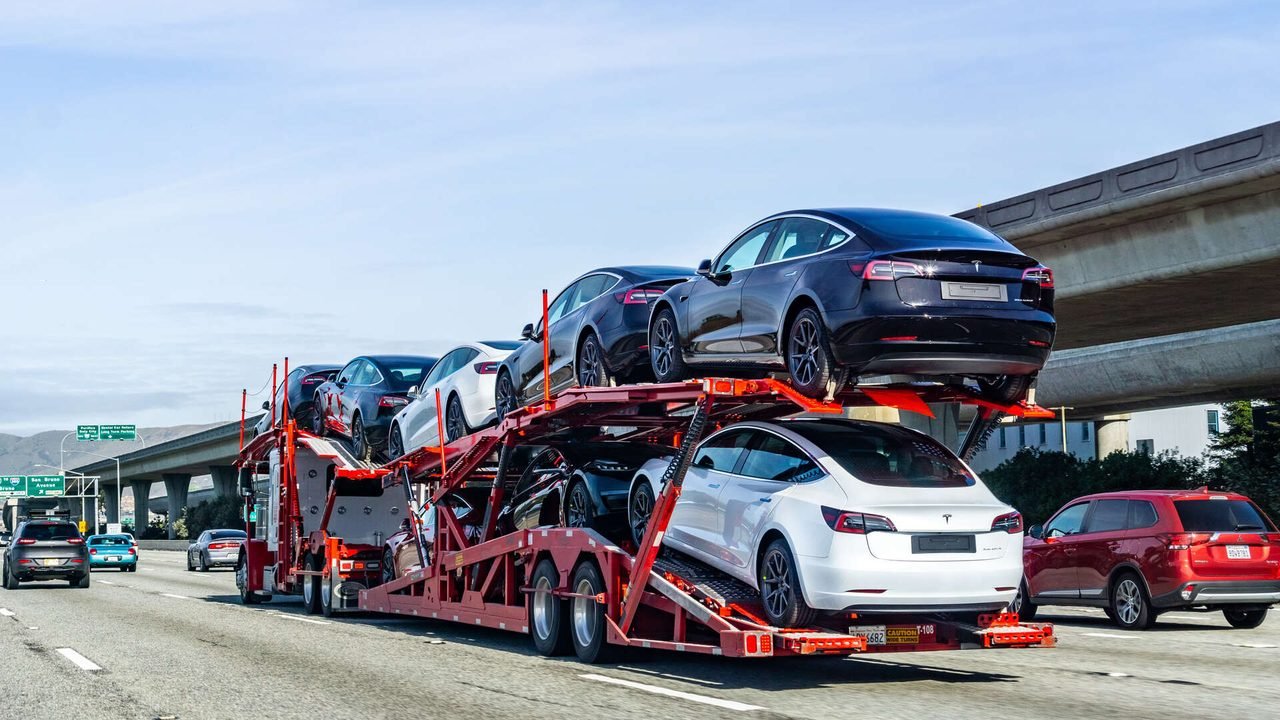
Start with the truck itself. A car hauler costs $150,000 to $250,000, burns through tires and brakes, and needs constant maintenance. Every mile your car rides, you are paying a share of that machine.
Then there is the driver. A good auto transport driver earns $60,000 to $90,000 a year, and the carrier has to cover that salary across every load. Driver pay is the single biggest line item in your quote.
Fuel comes next. A loaded car hauler gets 5 to 7 miles per gallon of diesel, and a 2,000 mile trip burns roughly 350 gallons. When diesel spikes, quotes follow within weeks.
Insurance is the quiet one. Federal law requires carriers to carry cargo insurance, and good carriers carry $1 million or more in coverage. That protection is baked into every price.
There is also overhead you never see: dispatchers, compliance staff, and the software that matches loads to trucks. It is a small slice of each quote, but it is why a one truck carrier and a national broker can quote the same lane differently.
Our 2026 price guide shows what these costs add up to on real routes, so you can see the math in action.
Why Short Trips Cost More Per Mile
A 300 mile shipment might cost $500, which is $1.67 per mile. A 2,000 mile shipment might cost $1,400, which is $0.70 per mile. Same truck, same driver, wildly different per mile rates.
The reason is fixed cost. Loading your car, securing it with straps and wheel chocks, doing the inspection paperwork, and unloading at the other end takes the same hour or two whether the trip is 200 miles or 2,000.
Short trips also waste more of the driver’s day on loading and city driving instead of highway miles. Carriers price that inefficiency in, and there is no way around it.
This is also why minimum charges exist. Many carriers will not roll the truck for less than $400 to $500 no matter how short the trip, because the fixed work costs what it costs.
Fixed costs punish short trips and reward long ones. That single fact explains most of the per mile mystery.
How Carriers Price a Lane
Carriers think in lanes, not just miles. A lane is a route between two regions, like Texas to Florida or the Midwest to California. Each lane has its own going rate based on how much freight flows each direction.
Balanced lanes are cheap. When trucks run full both ways, carriers compete hard and prices drop. Florida to New York in spring is a perfect example, with snowbirds heading home and plenty of freight.
One way lanes are expensive. If trucks leave full and come back empty, somebody has to pay for the empty return. That somebody is you, which is why odd routes cost more than the mileage suggests.
You can see this pattern clearly in per mile pricing, where popular lanes run far below the national average.
The Broker’s Cut, Explained Honestly
Most quotes you get come from brokers, not the truck driver. The broker finds a carrier, coordinates pickup and delivery, and takes a fee, usually $100 to $250 per vehicle.
That fee is not a scam. A good broker saves you from calling twenty carriers, vets their insurance and safety record, and gives you one point of contact if something goes wrong.
The problem is only when the fee is hidden or the broker lowballs the carrier pay to win your business. Ask any broker what the carrier is actually getting paid. An honest one will tell you.
Open vs Enclosed: What the Upgrade Buys You
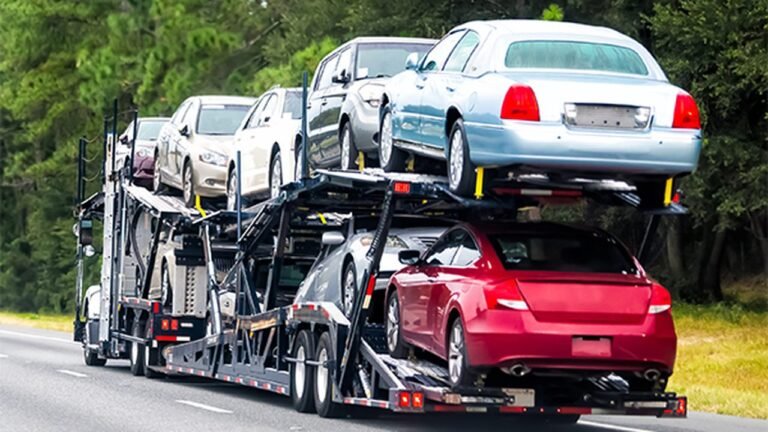
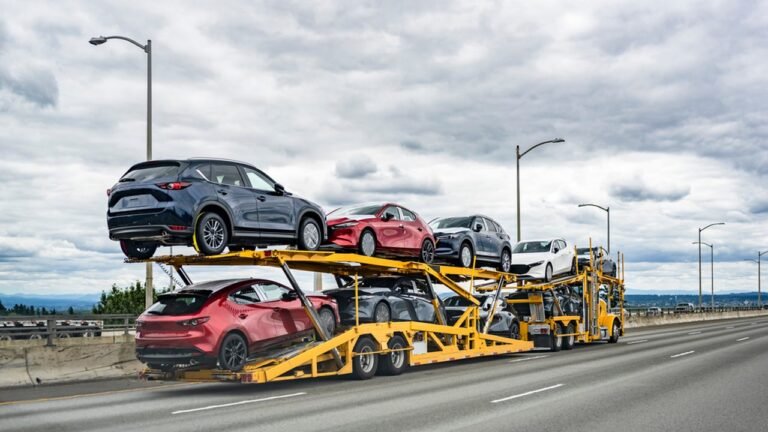
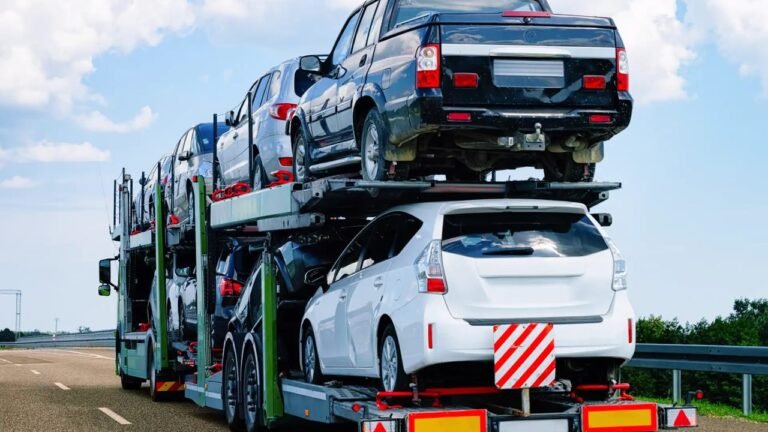
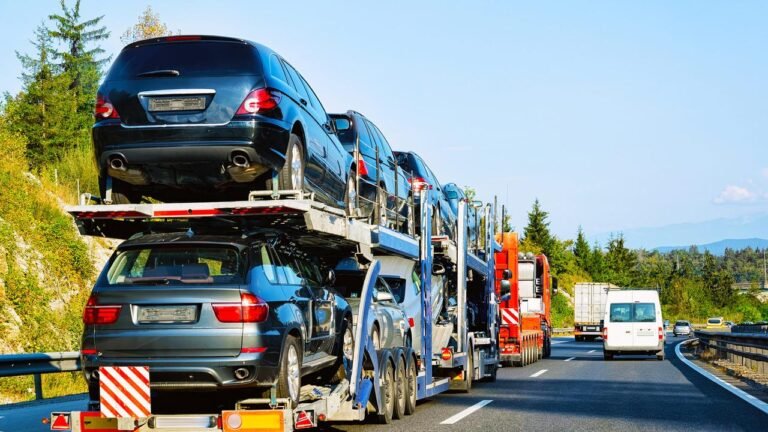
Open carriers move roughly 90 percent of all shipped vehicles. Your car rides on an open trailer, exposed to weather and road dust, exactly like the new cars delivered to dealerships every day.
Enclosed trailers cost 40 to 60 percent more because they carry fewer vehicles, usually 2 to 6, and the equipment itself is more expensive. You are paying for protection and exclusivity.
For a daily driver, open transport is the smart money. Damage claims on open carriers are rare, and federal cargo insurance covers your car either way.
Enclosed makes sense for classics, exotics, and brand new luxury vehicles where one paint chip costs more than the price difference. It also makes sense if you simply sleep better knowing the car is covered.
Either way, the underlying cost mechanics are the same. Fuel, driver pay, and lane balance drive the number; the trailer type just sets the multiplier.
Fuel, Season, and Demand Swings
Diesel is the most visible cost driver. When diesel jumps 50 cents a gallon, a coast to coast trip costs the carrier roughly $175 more in fuel alone. Quotes adjust fast because carriers cannot absorb that.
Season works like airline tickets. Summer demand pushes prices 10 to 20 percent above average, January is usually the cheapest month, and snowbird season keeps Florida and Arizona lanes hot through winter.
Big events move prices too. Hurricanes reroute trucks, auto auctions flood certain lanes, and college move in weeks spike demand in university towns. None of this is in your control, but knowing it helps you time your shipment.
Check current diesel trends at the U.S. Energy Information Administration if a quote seems high. Fuel might be the reason, and it is a legitimate one.
For a sense of what lane economics mean on the longest hauls, our cross country cost guide puts the numbers in one place.
What a Fair Price Looks Like
A fair quote sits near the middle of three to five comparable quotes for the same route and vehicle. Throw out the highest and the lowest, and the cluster in the middle is your market price.
A fair company explains the price without dodging. They will tell you the carrier pay, their fee, and what could change the number. Vague answers are a red flag.
A fair company is also licensed and insured, which you can verify yourself. The FMCSA lets you look up any carrier’s authority and safety record for free.
When you are ready to collect numbers, here is how to compare car shipping quotes without getting played.
Frequently Asked Questions
Why is shipping a car so expensive?
Because you are renting space on a specialized $200,000 truck, paying a professional driver, covering 5 to 7 mpg diesel fuel, and buying federal cargo insurance. The fixed costs of loading and paperwork apply to every shipment. It is expensive the way all heavy freight is expensive.
Do brokers mark up the price a lot?
A typical broker fee is $100 to $250 per vehicle, which is reasonable for the coordination and vetting involved. Problems start when brokers hide the fee or quote carrier pay so low that no driver accepts the load. Always ask what the carrier is being paid.
Why do quotes vary so much for the same trip?
Quotes vary because brokers estimate carrier pay differently, some pad their fees, and a few deliberately lowball to win your deposit. Market conditions also shift weekly with fuel and demand. Three to five quotes will show you the true market range.
Will prices go down if I wait?
Sometimes. If you are shipping in peak summer, waiting until fall can save 10 to 20 percent. But waiting rarely helps on a route with steady demand, and last minute bookings almost always cost more. Two to three weeks of lead time is the sweet spot.
Is enclosed transport worth the extra cost?
It runs about 40 to 60 percent more than open transport. It is worth it for classic, exotic, or brand new vehicles where paint damage would cost more than the upgrade. For a daily driver, open transport is safe and the industry standard.
Pricing in this industry is not mysterious once you know the inputs. Fuel, driver pay, lane balance, and season explain nearly every quote you will ever see.
Use that knowledge as leverage. The customer who understands carrier economics is the customer who gets a fair price.


One Comment