

What Is a Driveaway Service
A driveaway service is exactly what it sounds like: instead of putting your car on a truck, a professional driver drives it to your destination. It is one of the oldest forms of vehicle transport, and it still makes sense in the right situations.
Most people have never heard of it, because truck transport dominates the market. But for certain trips, having someone drive your car is cheaper, simpler, or just more practical.
This guide explains how driveaway works, what it costs, and when it beats the trailer. By the end, you will know which questions to ask a company and which red flags to watch for.
How Driveaway Service Works
You contract with a driveaway company, which assigns a vetted driver to your car. The driver picks it up, drives it to your destination following an agreed route and timeline, and hands over the keys.
Drivers are typically independent contractors who do this regularly. Reputable companies background-check their drivers, verify licenses and driving records, and carry insurance that covers your vehicle while it is in their care.
The arrangement is straightforward: you provide a roadworthy, insured car with a full tank or an agreed fuel arrangement, and the driver delivers it within the agreed window. Most companies provide GPS tracking or regular check-ins during the trip.
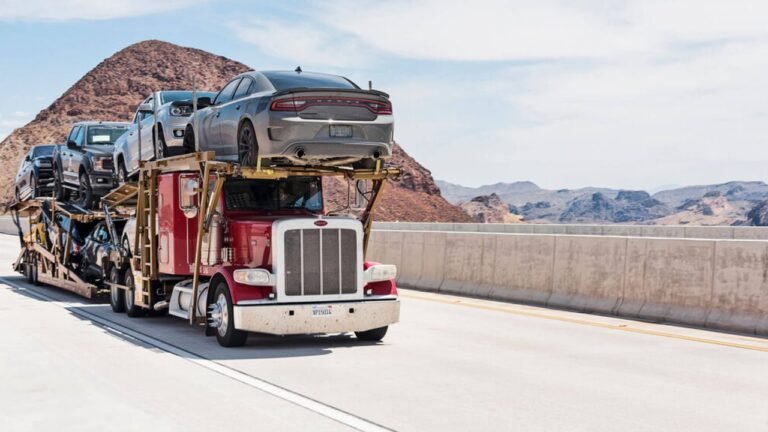
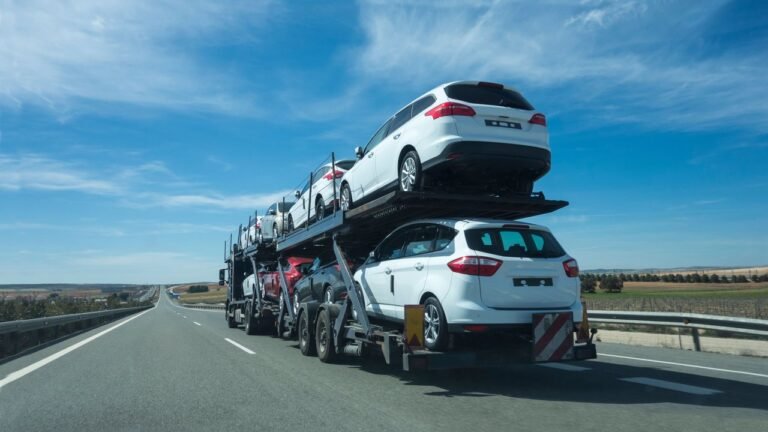
This is fundamentally different from truck transport, where your car rides as cargo. If you want to understand the standard alternative first, see how car shipping works.
What It Costs
Driveaway pricing usually has two parts: a base fee for the service and a per-mile rate for the driver, plus fuel. For many trips, the total lands below the cost of open truck transport, which is the main reason people choose it.
A 1,000 mile driveaway might cost roughly $600 to $1,000 all in, depending on the company and the route. Compare that against typical truck transport rates in our average car shipping cost figures to see where driveaway wins. On short hops under 500 miles, totals often land between $300 and $600, while trips past 1,500 miles close the gap as driver per-diem and return travel add up.
The math favors driveaway on medium-distance trips where truck rates are high relative to driving costs. On very long trips, the driver’s time and return logistics can narrow the gap.
Get quotes from both driveaway companies and truck transport brokers before deciding. The cheap car shipping guide covers how to compare options fairly.
When Driveaway Makes Sense
Operable cars on direct routes
Driveaway needs a car that can handle the trip. If your vehicle is roadworthy and the route is mostly highway, a driver can cover serious distance quickly. This is the ideal case.
Single-car moves
If you are relocating and driving one car yourself, a driveaway driver can bring the second car. It arrives around the same time, with no truck scheduling involved.
Tight timelines
A driver heading straight to your destination can be faster than truck transport, which follows multi-stop routes with pickup windows. When timing matters, the direct drive wins.
Budget priorities
When the driveaway quote beats truck transport by a few hundred dollars and the mileage does not bother you, the savings are real. Just make sure you are comparing total costs, including fuel arrangements.
The Downsides You Should Know
The obvious tradeoff is mileage. A 1,500 mile driveaway adds 1,500 miles to your odometer, plus the associated wear on tires, brakes, and fluids. For a leased car or a low-mileage vehicle you are protecting, that matters.
There is also the human factor. Your car is being driven by a stranger for days. Reputable companies mitigate this with vetting and insurance, but it is a different risk profile from a car strapped to a trailer.
Insurance needs careful attention. Understand exactly what the driveaway company’s policy covers, what your own policy covers during the trip, and where the gaps are. Get this in writing before the driver takes the keys.
Finally, driveaway does not work for non-running cars, and it is a poor fit for vehicles you would otherwise ship enclosed. Classics and exotics belong on trailers, not highways. If added miles would push your car past a warranty or lease threshold, the trailer’s protection is worth more than the driveaway savings.
How to Choose a Driveaway Company
Look for companies that have been operating for years with verifiable reviews. Driveaway is a smaller industry than truck transport, so reputation research matters even more.
Ask how drivers are vetted. At minimum, you want background checks, driving record reviews, and license verification. Ask what happens if a driver has an incident mid-trip, and who pays for what.
Get the insurance details in writing: coverage limits, deductibles, and the claims process. Then call your own insurer to confirm how your policy interacts with the driveaway company’s coverage.
Agree on the route, timeline, fuel arrangements, and communication expectations upfront. A professional company will put all of this in a written agreement without being asked twice. The Better Business Bureau is a good place to check complaint histories for driveaway firms.
What to Ask Before You Book
The questions below separate professional driveaway companies from risky ones. Ask every one of them before you sign anything, and get the answers in writing. Companies that answer quickly and specifically are usually the ones worth hiring.
Start with the money. Ask for the quote broken into its parts: the base fee, the per-mile rate, the fuel arrangement, and any extras. A single total with no breakdown tells you nothing about what you are actually paying for.
Ask who will drive your car and when you get their details. Some companies assign drivers weeks out, others fill the seat days before pickup. Either approach can work, but you should know the driver’s name and credentials before handover.
Ask about insurance specifics, not just whether coverage exists. What are the limits and the deductible, and who pays it? What is the claims process if something happens mid-trip?
Ask what happens when things go wrong on the road. If the car breaks down, who arranges the repair and who pays? If weather delays the trip, what is the company’s policy?
Ask how you will track the trip. Daily check-ins or GPS tracking are standard with professional companies. Silence for days on end is not acceptable, no matter how good the price was.
Ask about the cancellation policy before you pay a deposit. Plans change, and you want to know how much notice you need and what you lose if you back out. A fair policy is spelled out upfront.
Ask for everything in a single written agreement. Verbal promises about routes, timelines, and insurance do not count if a dispute arises. A company that resists putting it in writing is telling you everything you need to know.
Finally, ask for proof of reputation. Reviews on independent platforms and a clean complaint record tell you more than any sales pitch. When you weigh the driveaway quote against truck transport, our guide to comparing car shipping quotes keeps the numbers honest, and the cost to ship a car breakdown explains what drives truck prices up and down.
Driveaway vs Truck Transport
Cost is the most common deciding factor, and it varies by trip. Get both quotes. Driveaway often wins on medium distances, while truck transport is frequently competitive or cheaper on very long hauls.
Speed favors driveaway when the route is direct. A driver going straight through beats a truck making six other stops. But truck transport with a tight pickup window can be just as fast door to door.
Vehicle condition favors trucks. No added miles, no road wear, no stranger driving your car. If preserving the car matters more than saving money, the trailer is the answer.
Convenience is a toss-up. Driveaway needs a roadworthy car and a driver you trust. Truck transport needs scheduling flexibility and patience with pickup windows. Pick the set of tradeoffs you prefer.
For a detailed look at the standard process you would be comparing against, walk through how to ship a car step by step.
Preparing Your Car for a Driveaway
Service the car before the trip: oil, tires, brakes, fluids, and battery. A breakdown hundreds of miles away is everyone’s worst outcome, so start with a car that is ready for the road. Have the mechanic check belts and the cooling system too, since sustained highway driving stresses both, and keep the service receipt in the glovebox.
Document the condition just as you would for truck transport. Photograph the exterior, interior, and odometer, and have the driver sign a condition report at pickup. Mileage at delivery should match the agreed route plus a small allowance.
Remove personal items and valuables. Provide the driver with the essentials: keys, registration, insurance card, and emergency contacts. Agree on fuel stops or provide a fuel card arrangement.
Set communication expectations. Daily check-ins or GPS tracking are standard with professional companies. You should always know roughly where your car is.
Frequently Asked Questions
What is a driveaway service?
It is a service where a professional driver drives your car to its destination instead of shipping it on a truck. The company vets the driver, insures the trip, and arranges pickup and delivery. You pay a base fee plus a per-mile rate and fuel.
Is driveaway cheaper than truck transport?
Often, especially on medium-distance trips. A 1,000 mile driveaway might cost $600 to $1,000 all in, which frequently beats open truck transport on the same route. Always get both quotes, since the math varies by distance and route.
Is my car insured during a driveaway?
Reputable driveaway companies carry insurance covering your vehicle while the driver has it. Get the coverage details in writing, including limits and deductibles, and check with your own insurer about how your policy applies during the trip.
How many miles will be added to my car?
Roughly the driving distance of the agreed route, plus a small allowance for fuel stops and detours. The pickup condition report records the starting mileage, so the added miles are fully documented. This is the main tradeoff versus truck transport.
Can any car use a driveaway service?
No. The car must be roadworthy, registered, and insured. Non-running cars cannot use driveaway. It is also a poor choice for leased vehicles with mileage limits, classics, exotics, or any car where added miles are a problem.
What happens if the driver has an accident during the trip?
The driveaway company’s policy is the primary coverage while your car is in their care. A professional firm has a written claims process and will manage it for you. Tell your own insurer about the trip beforehand so you know exactly how your policy interacts with theirs.
Do I need to be there for pickup and delivery?
You or someone you trust should attend both. The pickup inspection protects you if damage is found later, and the delivery inspection closes the trip cleanly. If you cannot be there, name an authorized person in writing and give the company their contact details.
Can I leave personal items in the car?
Most companies want valuables removed and personal items kept to a minimum. The driver is responsible for the car, not your belongings, and extra weight adds wear on the trip. Anything you do leave should be listed on the pickup condition report.
Driveaway is the road less taken in car transport, but for the right trip it is the smart choice. Compare it honestly against truck transport, vet the company carefully, and document everything. Another alternative worth knowing is shipping a car by train, which suits a different set of routes. Cars.com also has owner resources on transport options if you want a second perspective.




One Comment