
Vehicle Shipping Guide
Not every vehicle ships the same way. A compact sedan, a lifted pickup, a motorcycle, and a concours classic all ride on trucks, but the details change enough to matter.
This guide covers what is different about shipping each common vehicle type. The core process stays the same, but the preparation, the cost, and sometimes the trailer do not.
If you are shipping an ordinary car, most of this will not apply to you. Skim to your vehicle type and read that section closely.
Sedans and Small Cars
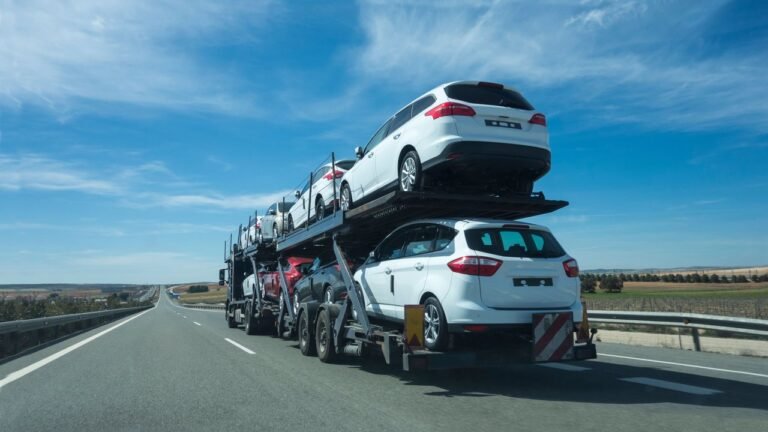
Sedans are the baseline of the industry. Every quote you see assumes a running sedan on an open carrier unless it says otherwise, which makes sedans the cheapest and easiest vehicles to ship. Standard quotes for a sedan on a Los Angeles to New York run typically land between $900 and $1,400 on open transport. Shorter regional hops, like Chicago to Dallas, often run $550 to $800. If a sedan quote falls far outside those bands, ask for the reason before you commit.
Preparation is standard: wash, photograph, remove personal items, quarter tank of fuel. Nothing special is required, and nearly every carrier on every route can take your car.
Because sedans fit anywhere on a trailer, they also get picked up fastest. If your dates are flexible and your route is popular, a sedan is the easiest booking a broker will make all week.
SUVs, Trucks, and Vans
Larger vehicles cost more, typically $100 to $300 above sedan pricing on the same route. They weigh more and occupy more deck space, which is trailer capacity the carrier cannot sell to someone else.
Oversized trucks and SUVs with lift kits or oversized tires need special mention when you get quotes. If a vehicle exceeds standard dimensions, it may take up extra space or require a carrier with the right trailer configuration.
Measure your vehicle if it is modified, and be honest about the numbers. A carrier that arrives expecting a stock SUV and finds a lifted truck on 37s may refuse the load, and that costs you days.
For long distance moves with a larger vehicle, see the cross country shipping cost breakdown, which accounts for the size premium on big routes.
Classic and Collector Cars
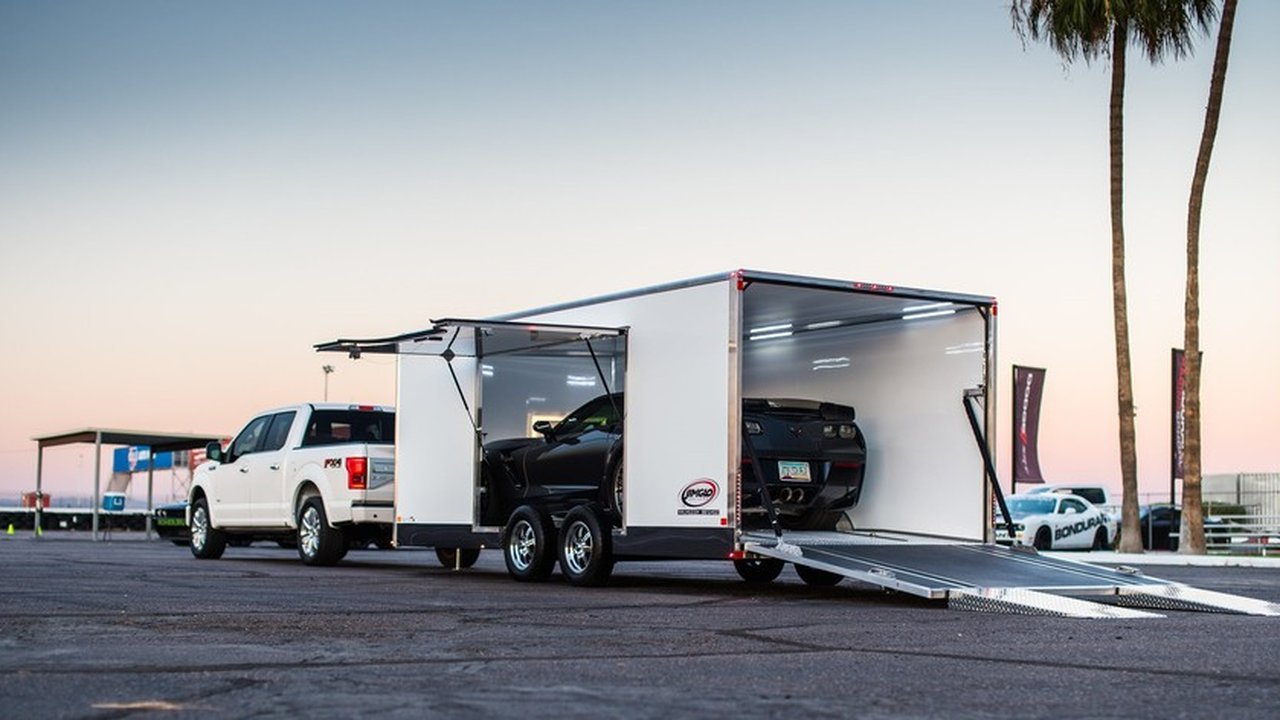
Classics deserve enclosed transport. The premium of 40 to 60 percent over open transport buys protection from weather, road debris, and prying eyes, plus gentler handling with soft straps and often lift gates instead of steep ramps.
Document the car’s condition obsessively. Take far more photos than you think necessary, including the undercarriage if the car is valuable enough to warrant it. For high-value vehicles, consider a third-party inspection report as well.
Discuss value with the carrier before booking. Standard cargo insurance has limits, and a six-figure classic may need supplemental coverage or a carrier that specializes in high-value vehicles.
Agree on the details in writing: pickup and delivery windows, who loads and unloads, and how the car will be secured. With classics, the cheapest enclosed quote is rarely the right one.
Luxury and Exotic Cars
Exotics share most of the classic car playbook: enclosed trailer, careful documentation, and agreed value coverage. Low ground clearance adds its own wrinkle, since steep ramps can scrape front splitters and underbody panels.
Ask specifically about loading equipment. Enclosed carriers that handle exotics regularly use lift gates or extra-long low-angle ramps. A carrier that mostly moves daily drivers may not have the right setup.
Remove or secure anything detachable. Front splitters, aftermarket spoilers, and low-hanging trim are vulnerable during loading even with good equipment. When in doubt, take it off and ship it separately.
Edmunds has covered exotic transport considerations in its ownership guides, and the advice consistently points the same way: pay for the specialist, not the generalist.
Motorcycles
Motorcycles ship differently from cars. They travel in enclosed trailers or specialized motorcycle carriers, secured upright with wheel chocks and soft straps. They are never just laid down in a truck.
Most motorcycle transport is crated or palletized for longer trips, which protects the bike and simplifies handling. Shorter trips may use open motorcycle-specific trailers.
Prepare the bike by cleaning it, photographing it, reducing fuel to about a quarter tank, and removing accessories like saddlebags and GPS units. Disconnect the battery if the shipper asks you to.
Motorcycle shipping is a specialty, so use a company that does it regularly rather than a general auto broker. The tie-down technique matters, and experience shows. Look for companies that list motorcycle transport as a core service rather than an afterthought. Ask how many bikes they move in a typical month, since volume correlates with competence here. A specialist usually costs about the same as a generalist but handles your bike far better.
Non-Running Vehicles
A car that does not run can still be shipped, but it needs a winch for loading and unloading. That adds roughly $100 to $200 to the price and shrinks the pool of carriers that can take the job.
Be precise about the condition when getting quotes. “Does not run” covers everything from a dead battery to seized brakes to missing wheels, and each variant changes what the carrier needs to bring. Rollable with steering is far easier than a car that cannot roll at all.
Project cars and auction purchases are the most common non-runners. If you are buying from an auction, coordinate the pickup location details carefully, since auction lots have their own release procedures and storage fees.
Expect longer pickup windows for non-running vehicles. Fewer carriers have winches, so matching takes more time. Patience here saves money. Booking a week or two earlier than you would for a running car gives the broker more to work with. Confirm in writing that the assigned carrier actually has a winch, since a carrier without one cannot complete the pickup. That single confirmation prevents the most common non-runner headache.
Electric Vehicles
EVs ship like ordinary cars with a few extra considerations. The battery makes them heavier than comparable gas cars, which can nudge the price up slightly on weight-sensitive loads. The difference is real but modest, usually 10 to 20 percent heavier than a comparable gas model, so most routes see little or no price change. Mentioning the EV matters more for load planning than for pricing. Carriers balance trailer weight carefully, and knowing the exact vehicle keeps the load within legal limits.
Charge the battery to around 50 percent before pickup. That is plenty for loading and unloading without carrying unnecessary weight or stressing the battery during the trip.
Disable any features that could cause problems in transit, like sentry modes that drain the battery or automatic software updates. Provide the driver with a key card or fob and brief instructions.
Carriers handle EVs routinely now, so there is nothing exotic about the process. Just mention that it is electric when booking so the carrier plans the load weight correctly.
What to Ask Before You Book
The right questions before you book will save you more trouble than any discount. Ask whether the quote assumes open or enclosed transport, since the wrong assumption here is the most common source of surprise price jumps. Ask how the price changes if your vehicle turns out to be larger than the booking form allowed for.
Ask who is actually moving your car. Many companies that advertise vehicle shipping are brokers, which is a normal and legitimate business model, but you deserve a straight answer about who assigns the carrier and when. A company that dodges this question is telling you something.
Ask about insurance in specifics, not slogans. Find out the cargo coverage limit, whether it fully covers your vehicle’s value, and who pays the deductible if something goes wrong.
For a standard daily driver the default policy is usually enough. For anything worth real money, get the coverage numbers confirmed in writing. Our how to ship a car walkthrough covers the practical steps so none of this is new on booking day.
Finally, ask about cancellation and rescheduling terms before you pay a deposit. Plans change, and a company with a fair, clearly stated cancellation policy is usually confident in its service. Compare three sets of answers side by side and the best option tends to pick itself.
What Stays the Same for Every Vehicle
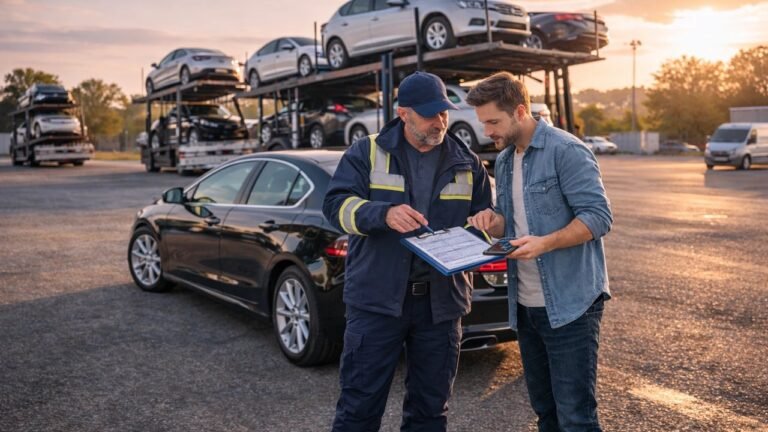
The fundamentals never change. Get multiple quotes, vet the company, document the condition at pickup, and inspect at delivery. Those four habits protect every shipment regardless of vehicle type.
Insurance works the same way too. The carrier’s cargo policy covers the vehicle, and the bill of lading is your evidence. Higher value vehicles just need higher limits and more thorough documentation.
Timing follows the same rules as well. Transit time depends on distance, and the pickup window depends on carrier availability. Our transit time guide has realistic estimates by distance.
For the end to end process that applies to all of these, see how car shipping works and the auto shipping basics overview. Budget-conscious shippers should also read the cheapest way to ship a car before deciding where to save.
Frequently Asked Questions
Does it cost more to ship an SUV than a sedan?
Yes, usually $100 to $300 more on the same route. SUVs and trucks are heavier and take up more trailer space. Modified or oversized vehicles can cost more still, so provide accurate dimensions when getting quotes.
Should I use enclosed transport for my car?
For a daily driver, open transport is fine and is how dealerships receive new cars. Choose enclosed for luxury, classic, exotic, or freshly restored vehicles where paint and condition are priorities worth the 40 to 60 percent premium.
Can I ship a car that does not run?
Yes. Non-running vehicles need a winch for loading, which adds about $100 to $200 and limits carrier options. Describe the exact condition accurately when quoting, since a car that rolls and steers is much easier than one that does not.
How do I ship a motorcycle?
Use a motorcycle transport specialist. Bikes travel upright in enclosed trailers or motorcycle-specific carriers, secured with chocks and soft straps. Clean the bike, photograph it, lower the fuel, and remove accessories before pickup.
Is shipping an electric vehicle different?
Only slightly. EVs are heavier because of the battery, so mention it when booking. Charge to about 50 percent, disable battery-draining features, and provide the key card with brief instructions. Otherwise the process is identical.
How far ahead should I book vehicle shipping?
Two to three weeks is the sweet spot for most vehicle types, and non-running or oversized vehicles deserve an extra week of lead time. Last minute bookings are possible on popular routes but usually cost more. Enclosed transport for classics and exotics also fills up faster, so book earlier during peak moving season.
Can I leave personal items in my car during shipping?
Most carriers allow up to 100 pounds of personal items in the trunk, kept below the window line, but those items are not covered by cargo insurance. Anything valuable should travel with you instead. Check your contract first, since some carriers charge extra or prohibit personal items entirely.
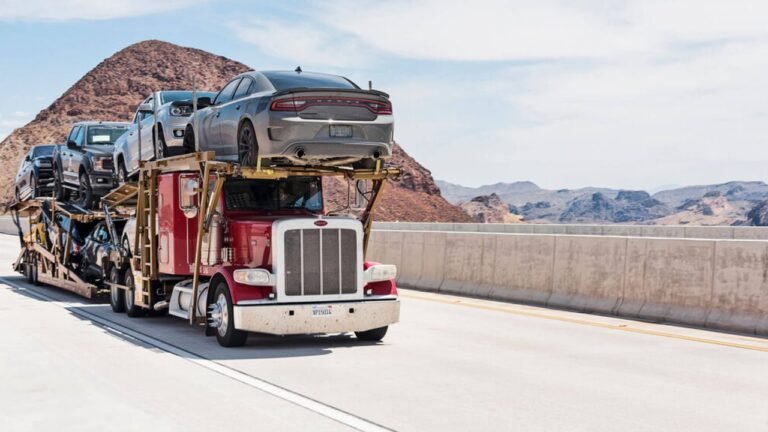
What if a big truck cannot reach my pickup or delivery address?
The driver will arrange a nearby meeting point, usually a large parking lot or a wide street, and this is completely routine. It rarely changes the price. Confirm the meeting arrangement when the driver calls ahead so there are no surprises on the day.
Match the service to the vehicle and you will be fine. A daily driver on an open trailer, a classic in an enclosed one, a bike with a specialist. The right tool for the job is the whole secret. The NHTSA site is also worth a visit for general vehicle safety information that applies no matter how your car travels.



One Comment