Broker vs Carrier Differences
Almost every company you find when you search for car shipping is either a broker or a carrier, and most customers never learn which one they are talking to. That confusion costs people money every single day.
The difference is simple. A carrier owns the trucks and employs the drivers. A broker is the middleman who matches your car with a carrier and coordinates the shipment. Both are legitimate, and both are necessary in this industry.
Neither one is automatically better or cheaper. What matters is knowing which role a company plays, because it changes how prices are set, who is responsible when things go wrong, and what questions you should ask before you book.
What a Carrier Actually Does
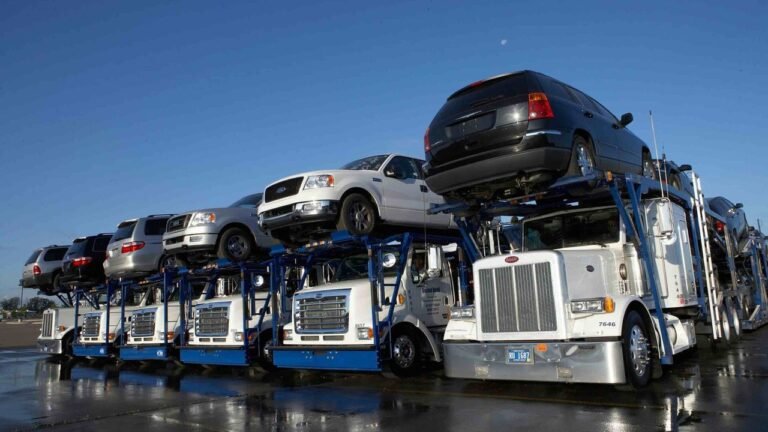
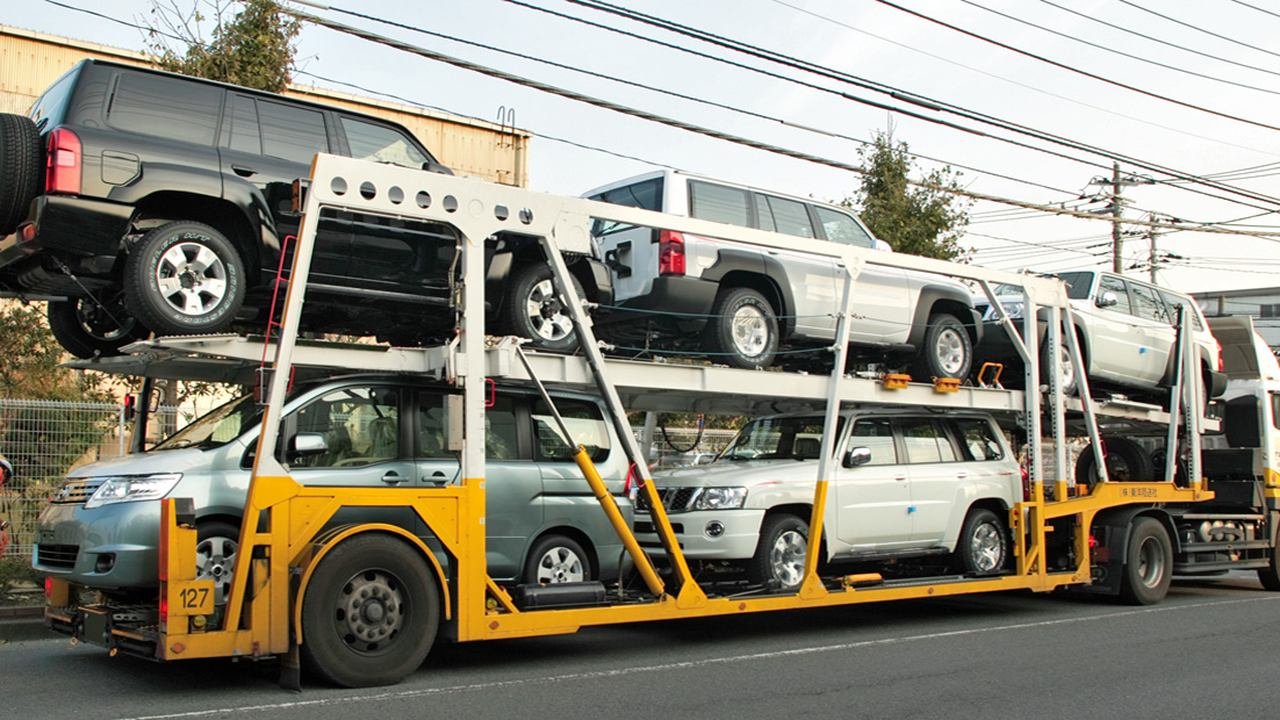
A carrier is the company with the truck. They own or lease the car hauler, employ the driver, carry the cargo insurance, and physically move your vehicle from pickup to delivery.
Carriers think in lanes, not individual customers. A lane is a route between two regions, like Texas to Florida, and the carrier’s whole business is keeping their truck full on lanes they run well. Your car is one of 7 to 10 vehicles on that trailer.
Because carriers have enormous fixed costs, a truck, fuel, driver salary, insurance, they price loads to keep the trailer full and moving. A half empty truck loses money, which is why carriers care so much about lane balance and timing.
Every carrier must hold active operating authority from the federal government. You can verify any carrier’s status yourself on the FMCSA website, which shows whether their authority and insurance are current.
What a Broker Actually Does
A broker never touches your car. Their job is to find a carrier with space on your lane, negotiate the carrier pay, coordinate pickup and delivery, and give you one point of contact through the whole process.
Good brokers earn their fee, typically $100 to $250 per vehicle, by doing work you would hate to do yourself. They vet carrier insurance and safety records, post your load on national load boards, and handle the scheduling chaos of matching dozens of cars to dozens of trucks.
Brokers also absorb risk for you. If the first carrier falls through, a good broker finds another one without you starting over. That coordination is the service you are paying for.
Like carriers, brokers must be licensed. They hold a different type of federal authority and are required to carry a surety bond. Understanding what a car shipping broker is and how the licensing works is worth doing before you hand anyone money.
How Pricing Differs Between Them
When you get a quote from a carrier directly, you are seeing the truck’s price with no middleman markup. That sounds like it should always be cheaper, but it often is not, for a practical reason.
A single carrier runs limited lanes. If your route is not one of theirs, they cannot help you at all, no matter how fair their price is. You would have to call carrier after carrier until you found one running your exact lane on your dates.
A broker quotes you the estimated carrier pay plus their fee. On a popular lane, that total is often within $100 of booking direct, because the broker’s volume lets them negotiate carrier rates you could not get on your own.
The cheapest price comes from the right match, not from skipping the middleman. Our auto transport cost breakdown shows exactly where each dollar of a typical quote goes.
Who Is Responsible When Something Goes Wrong
This is where the broker versus carrier distinction matters most. The carrier’s cargo insurance covers your vehicle during transit, and any damage claim is filed against the carrier’s policy, not the broker’s.
The broker’s responsibility is coordination and vetting. A good broker helps you document damage, connects you with the carrier’s insurer, and pressures the carrier to resolve the claim. A bad broker disappears the moment there is a problem.
That is why checking a company’s complaint history matters as much as checking the price. The Better Business Bureau tracks how transport companies respond to complaints, and a company that answers its complaints is usually safer than one with a suspiciously spotless record.
If you want the full rundown on shady operators, read our guide to car shipping scams to avoid before you sign anything.
How to Tell Which One You Are Talking To
Many companies blur the line on purpose, because customers assume direct means cheaper. The simplest test is to ask outright whether they own the trucks that will move your car. Ask for the answer in writing, because a verbal claim is hard to prove later if the contract tells a different story, and the paperwork defines the legal relationship, not the sales call.
Check their MC number on the FMCSA site. The record shows whether the company holds carrier authority, broker authority, or both. Some larger companies are licensed as both, which is legitimate as long as they are transparent about it.
Watch the language in the quote. Phrases like “we will assign a carrier” or “our network of drivers” mean broker. A carrier talks about their own trucks, their own drivers, and specific lanes they run.
Neither answer is a red flag by itself. The red flag is a company that will not give you a straight answer, which usually means they are hiding something about their role or their pricing.
Which One Should You Choose
Use a broker when your route is unusual, your dates are flexible, or you want one point of contact handling the logistics. Brokers shine at matching odd shipments with the right truck.
Consider a carrier directly when your route matches a lane they run regularly and you are comfortable handling scheduling yourself. On their home lanes, carriers can be fast and competitively priced.
Most customers are best served by a reputable broker, simply because most shipments do not line up perfectly with one carrier’s schedule. The broker’s network is the practical advantage. The exception is when you ship the same lane repeatedly, where a direct carrier relationship can pay off over time.
When you are ready to start comparing, here is how to ship a car step by step, and how to compare car shipping quotes without falling for the lowball trap.
Can a Company Be Both a Broker and a Carrier?
Yes, and many of the larger names in the industry are. A company can hold both broker authority and carrier authority from the FMCSA, running its own trucks on some lanes while brokering out shipments on lanes it does not serve.
This is completely legal, but transparency matters. A dual authority company should tell you upfront whether your specific shipment will move on their truck or be brokered to a partner carrier. The insurance, the driver, and the chain of responsibility all depend on that answer.
When a company with both authorities quotes you, ask which role applies to your shipment. If they broker it out, judge the quote exactly as you would any broker quote, by the carrier pay, the fee, and the company’s track record.
How to Verify Who You Are Actually Dealing With
Start with the paperwork, not the website. Any legitimate company puts its legal name and MC number on quotes, contracts, and emails, because that is the identity the federal government regulates.
Take that MC number to the FMCSA website yourself. The company snapshot shows the authority type, broker or carrier or both, plus whether the operating status is active and the insurance or bond is current. If the record does not match what the sales rep told you, believe the record.
Ask one direct question in writing: “Will my car move on your truck, or will you assign a carrier?” A carrier answers with their own fleet and lanes. A broker explains their matching process. A company that answers with a paragraph of marketing instead of one sentence is hiding something.
Check the bill of lading at pickup. This inspection document names the carrier actually moving your vehicle, and you sign it with the driver. If that name differs from the company you paid, your shipment was brokered, which is fine as long as you knew.
Watch who answers the phone. Carrier dispatchers talk about specific trucks, lanes, and load schedules. Neither is a problem, but a mismatch between the voice and the claim is.
For the wider picture of how the industry divides this work, our guide on car moving companies versus brokers breaks down the roles side by side, and what auto transport is explains the whole system.
Save every email and quote. Written records of what the company claimed about its role and pricing are the evidence you need if a dispute ever goes to arbitration or a chargeback. Screenshots of the website’s about page are worth keeping too, since shady companies edit their claims after complaints appear.
Frequently Asked Questions
Is a broker or a carrier cheaper?
It depends on the lane. A carrier running your exact route can be slightly cheaper with no middleman fee, but brokers often negotiate volume rates that close the gap. The difference is usually small compared to the difference between an honest quote and a lowball one.
Do brokers own any trucks?
By definition, no. A company that owns trucks and moves cars is acting as a carrier. Some companies hold both broker and carrier authority, which is legal, but the broker side of the business still does not own the truck on your shipment.
Who pays if my car is damaged?
The carrier’s cargo insurance covers damage during transit. You file the claim against the carrier’s policy. A good broker helps you through the process, but the financial responsibility sits with the carrier that moved the car.
Can I book directly with a carrier?
Yes, if you can find one running your lane on your dates. The challenge is discovery, since most carriers do not advertise to consumers and run limited routes. Brokers exist largely to solve this matching problem.
How do I verify a company is licensed?
Look up their MC or USDOT number on the FMCSA website. The record shows their operating authority type and whether their insurance is active. Never book with a company you cannot verify there.
Who does the driver work for?
The driver works for the carrier, never the broker. The broker arranges the shipment and handles communication, but the person loading your car onto the trailer is employed by the trucking company. Any day of instructions about your car should come from the driver.
How do I find out if my load was brokered?
Ask for the carrier’s name and MC number before pickup day, then read the bill of lading when the driver arrives. Compare both to the company you paid. If the names differ, your shipment was brokered to another carrier.
Who do I call if my car is late?
Call the broker first. They arranged the load, they have the dispatcher’s contact, and they can pressure the carrier on your behalf. Call the driver second for day of timing, since only the driver knows exactly where the truck is. If neither answers, document the silence in writing, because unresponsiveness is itself evidence for a later complaint.
If you need help picking a specific company, our guide on how to choose an auto transport company walks through reviews, licensing checks, and the questions that separate honest operators from the rest.
Brokers and carriers are two halves of the same system. Know which one you are dealing with, verify the license, and judge them on honesty and track record rather than the label.