
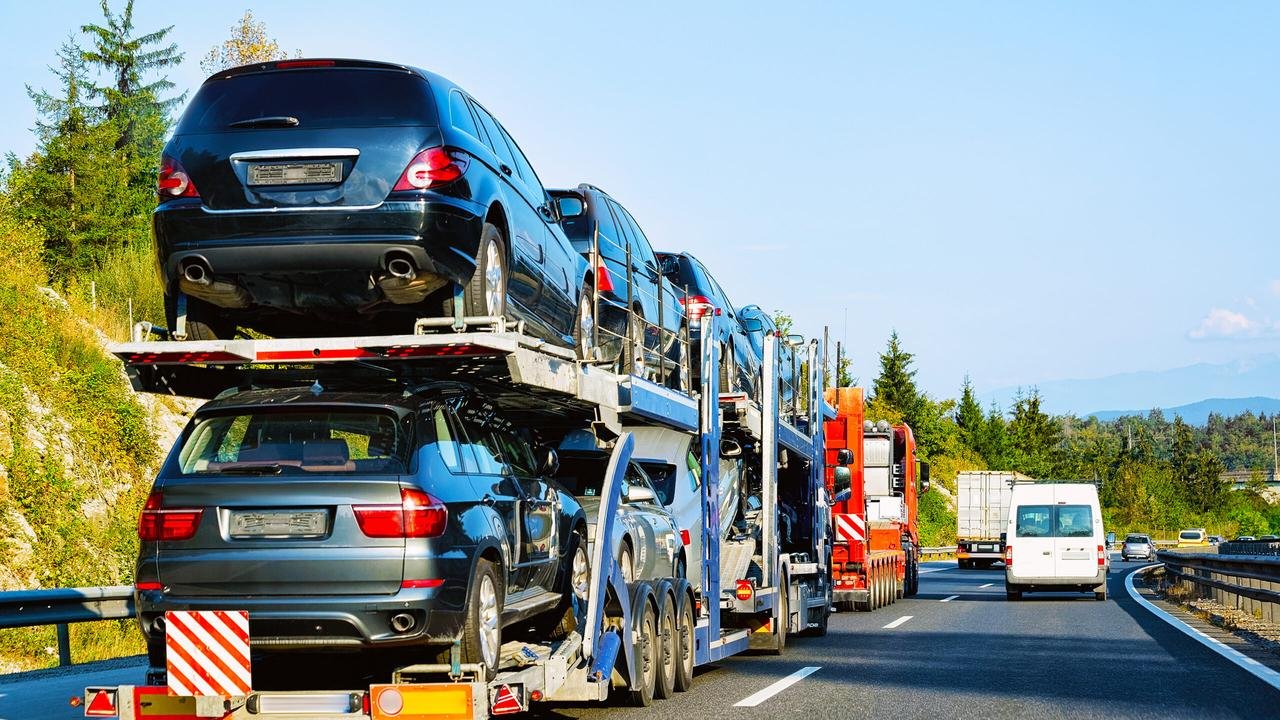
Cost to Ship a Car Across the Country
Coast to coast is the big one. Nearly 3,000 miles, a week or more on the road, and a price tag that makes people wonder if they should just drive it themselves.
For a sedan on an open carrier, cross country shipping usually runs $1,300 to $1,900 in 2026. SUVs and trucks run $1,500 to $2,100, and enclosed transport starts around $2,000.
Whether driving or shipping makes more sense depends on your time, your car, and the true cost of the drive. This guide lays out the real numbers so you can decide with confidence.
2026 Cross Country Price Ranges
New York to Los Angeles, about 2,800 miles, is the classic cross country run. A sedan typically costs $1,350 to $1,800 on an open carrier.
Seattle to Miami, roughly 3,300 miles, runs $1,500 to $2,000 for a sedan. The extra distance and the Florida lane dynamics both play a role.
Boston to San Francisco, about 3,100 miles, usually lands between $1,450 and $1,950. Northeast pickups can cost a bit more because of traffic and access.
Chicago to Los Angeles, around 2,000 miles, is the shortest true cross country hop at $1,200 to $1,600. It is a heavily traveled lane with solid competition.
These are open carrier prices for running sedans. Add $200 to $400 for large SUVs and trucks, and 40 to 60 percent for enclosed. Our 2026 cost guide covers shorter routes too.
The Main Cross Country Lanes
I-40 is the workhorse, running from North Carolina to California through Memphis, Oklahoma City, and Flagstaff. It carries a huge share of cross country auto freight year round.
I-10 covers the southern route from Florida to Los Angeles, and it is the snowbird highway every fall and spring. Prices on this lane swing with the migration.
I-80 and I-90 handle the northern tier, and winter weather can slow them down. A storm in Wyoming can add days to a Chicago to Seattle run, so build buffer into your plans.
Lane balance drives the price. When trucks run full in both directions, everyone pays less. That is why LA to Dallas is cheap and rural Montana to anywhere is not.
The mechanics of lane pricing are worth understanding, and our cost breakdown explains them in plain English.
How Long Does It Take
Plan on 7 to 10 days for a true coast to coast shipment. The truck covers 400 to 500 miles a day, and loading, unloading, and other stops fill the rest of the time.
The first available pickup date is usually 1 to 5 days after booking. Add that to the transit time when you are planning around a move or a flight.
Weather, traffic, and mechanical issues can add days. Any company that guarantees an exact delivery date for a 3,000 mile trip is selling certainty it cannot deliver. A window is honest; a promise is marketing.
Ask for tracking or at least a dispatcher check in schedule. Most reputable companies will give you the driver’s direct number once the car is loaded, so you are not guessing for a week.
For more on how timing affects what you pay, see our auto transport cost guide.
Enclosed Transport on Long Hauls
On a 3,000 mile trip, your car spends a week exposed to highway debris, weather, and dust. For most daily drivers that is fine, and open transport remains the right call.
Enclosed transport for a cross country run usually starts around $2,000 to $2,400 for a sedan. The premium buys protection from rock chips, hail, and prying eyes on a long trip through varied weather.
It is the standard choice for classic cars, exotics, and vehicles fresh out of restoration. When the car is worth six figures, the extra $600 to $800 is cheap insurance against a ruined paint job.
Book enclosed earlier than open, ideally three to four weeks out. There are far fewer enclosed trucks on the road, and cross country enclosed spots fill up fast in summer.
Ship It or Drive It: The Honest Math
Driving 2,800 miles costs more than gas. Figure $350 to $500 in fuel, $300 to $450 in hotels for three to four nights, $150 to $250 in food, and about $300 in wear and depreciation. That is $1,100 to $1,500 before you count your time.
Then there is the time itself. Four to five days of driving is four to five days of your life, plus the fatigue and the small but real risk of a breakdown or accident far from home.
Shipping starts looking smart when your time has value, when the car is leased or new, or when you are flying anyway. Driving wins when you enjoy road trips or need the car the whole way.
Fuel is the biggest variable in the driving math. The Department of Energy publishes fuel economy data that can help you estimate your real driving cost.
If you decide to ship, learn how to compare quotes so the price you pay is the fair market price.
Preparing Your Car for a Cross Country Trip
Wash the car before pickup, even if it feels pointless. A clean car makes the inspection faster and makes any existing scratches visible, which protects you if there is a damage claim later.
Photograph every panel, the roof, and the undercarriage in good light. Date stamped photos are your evidence, and they take ten minutes. Drivers do their own inspection, but your photos are your backup.
Remove toll tags, parking passes, and anything detachable. Leave about a quarter tank of gas: enough for loading and unloading, light enough to keep weight down.
Disable the alarm or show the driver how to do it. A car alarm going off for 3,000 miles is nobody’s idea of a good trip, and drivers will remember your car for the wrong reasons.
Saving Money on a Cross Country Move
Flexibility is worth real money on long hauls. A five day pickup window lets the dispatcher fit your car onto a truck already running your lane, which can save $100 to $200.
Ship in the off season if you can. Late fall and winter, outside the snowbird rush, are the cheapest months for most cross country lanes.
Consider meeting the driver near the interstate. On a 3,000 mile trip, a 30 minute detour into a dense neighborhood costs the driver real time, and easy access pickups sometimes get better pricing.
Verify your carrier’s license and insurance on the FMCSA website before you hand over the keys. On a trip this long, you want a company with a clean safety record.
Frequently Asked Questions
How much does it cost to ship a car from New York to California?
A sedan from New York to Los Angeles, about 2,800 miles, typically costs $1,350 to $1,800 on an open carrier in 2026. SUVs and trucks run $200 to $400 more. Enclosed transport for the same trip usually starts around $2,100.
How long does cross country car shipping take?
Plan on 7 to 10 days of transit time, plus 1 to 5 days for the initial pickup. Weather, traffic, and other pickups along the route can add days. Get a delivery window in writing rather than a guaranteed date.
Is it cheaper to drive or ship my car across the country?
Driving a 2,800 mile trip usually costs $1,100 to $1,500 in fuel, hotels, food, and wear, plus four to five days of your time. Shipping costs $1,300 to $1,900 but saves the time and the miles on your car. For most people with jobs and flights to catch, shipping wins.
What is the cheapest month to ship a car cross country?
January through March is usually cheapest for most lanes, with lower demand and more available trucks. Avoid June through August if you can, when prices run 10 to 20 percent higher. Snowbird lanes to Florida and Arizona are the exception and stay busy in winter.
Can I pack stuff in my car during shipping?
Most carriers allow up to 100 pounds of personal items below the window line, but they are not liable for them. Check with your specific carrier, since policies vary. Never pack valuables, and remember the extra weight is technically against DOT regulations, so keep it light.
Do I need extra insurance for cross country shipping?
The carrier’s cargo insurance covers your vehicle during transport by federal law. Your personal auto policy usually does not add much on top of that. What matters is documenting the car’s condition at pickup with photos, so any claim is straightforward.
Cross country shipping is a solved problem. Thousands of cars make the trip every week, the lanes are well traveled, and the pricing is competitive.
Know the range, book with a licensed company, and give yourself a buffer on timing. Your car will arrive, and you will skip the four day drive.

One Comment