Enclosed Auto Transport Explained
Enclosed auto transport is the white-glove option of car shipping. Your car travels inside a fully covered trailer, shielded from weather, road debris, and anyone who might take an unhealthy interest in it.
Most people only hear about enclosed shipping when they are moving something special: a classic, an exotic, a fresh restoration. But the service is available for any car, and understanding how it works helps you decide whether it is worth the premium for yours.
This guide explains the trailer types, what enclosed shipping costs, how to book it, and what to expect on pickup and delivery day.
How Enclosed Trailers Are Built
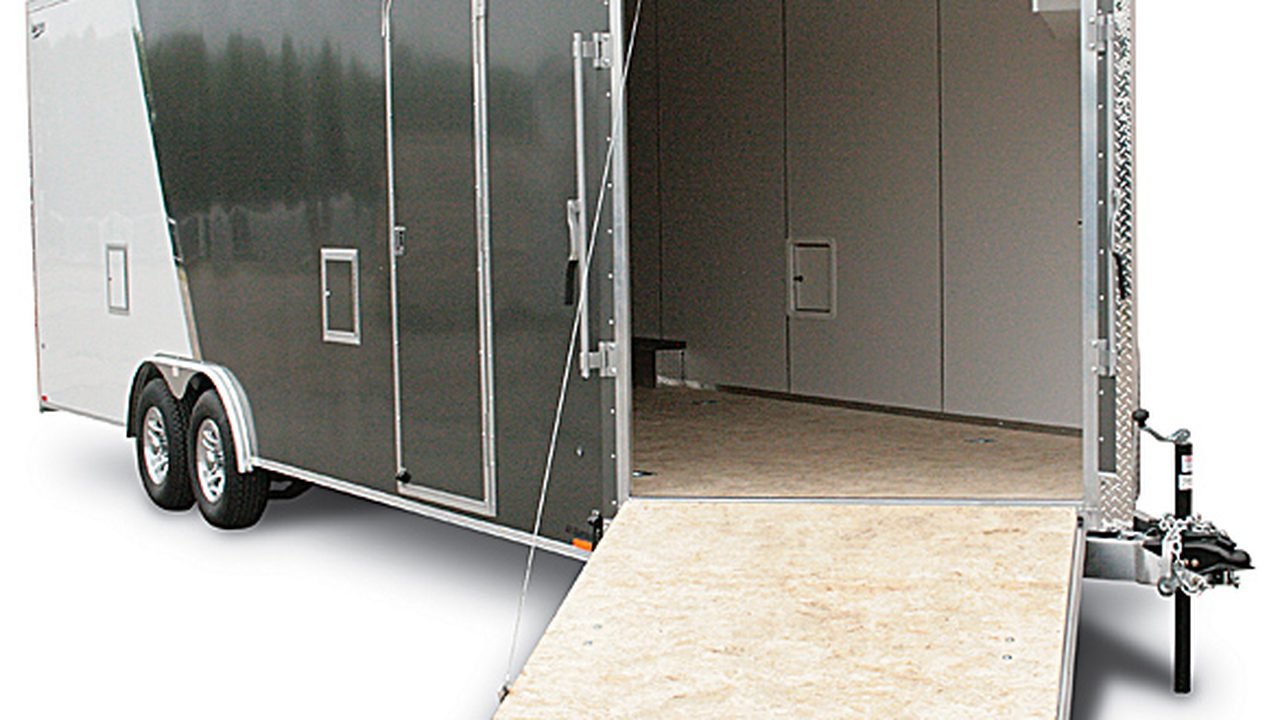
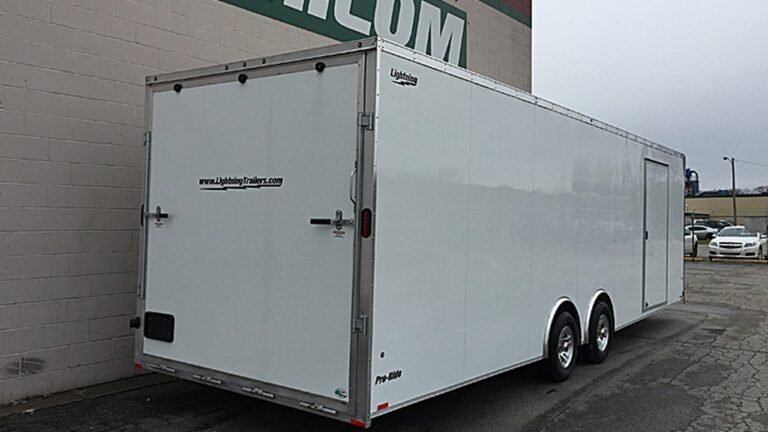
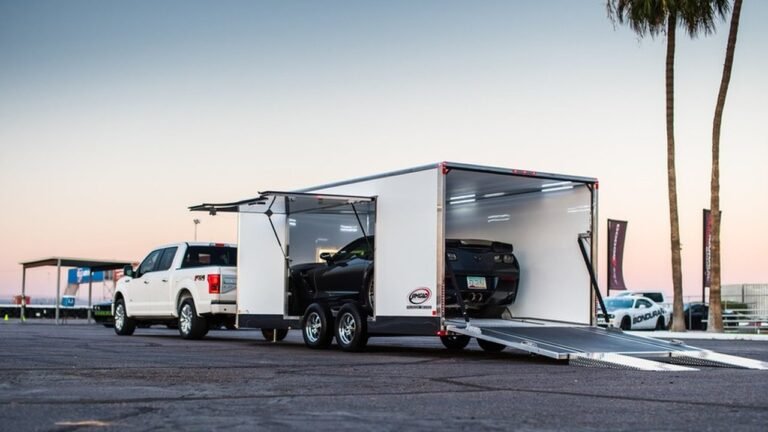
A standard enclosed trailer is a rigid box, usually aluminum, with a roof, walls, and a rear door or ramp. The car drives in, gets strapped down, and the door closes. From the outside, it could be hauling anything.
Inside, the details matter. Quality enclosed trailers use soft straps or wheel nets instead of metal chains, padded dividers between cars, and drip pans or guards so fluid from an upper-deck car cannot reach yours.
Loading equipment is the other big difference. Many enclosed trailers use hydraulic lift gates rather than ramps. The car drives onto a flat platform that lifts level into the trailer, which is much gentler on low-clearance cars than climbing a steep ramp.
Hard-Sided vs Soft-Sided
Hard-sided trailers are the rigid boxes described above. They offer the maximum protection and the most discretion, and they are what most people mean when they say enclosed transport.
Soft-sided trailers replace the rigid walls with heavy reinforced curtains stretched over a frame. The car is still fully covered and protected from weather and debris, but the trailer is lighter and cheaper to operate.
Soft-sided usually costs a bit less than hard-sided while delivering most of the benefit. If a quote mentions “covered” or “curtainside” transport, this is what they mean. Ask which type you are getting so you know exactly what you are paying for.
Single-Car vs Multi-Car Enclosed
Multi-car enclosed trailers carry two to six vehicles. They are the most common enclosed option and the most affordable way to get covered transport. Your car shares the trailer, but the protection is the same.
Single-car enclosed trailers haul only your vehicle. This is the premium tier: dedicated service, direct routing, often faster delivery. Expect to pay $1.50 or more per mile, which adds up fast on long routes.
Single-car makes sense for irreplaceable vehicles or extremely tight schedules. For everything else, multi-car enclosed delivers the protection at a saner price. Our open vs enclosed comparison puts both options in context.
Single-car also skips the multi-stop routing of shared trailers, so delivery is typically a day or two faster on the same distance. If you are coordinating the shipment with an event, a sale closing, or a flight, that predictability can be worth the premium on its own.
What Enclosed Transport Costs
Plan on 40 to 60 percent more than open transport for the same route and car. A 1,200-mile shipment that costs around $1,000 open will typically run $1,400 to $1,600 enclosed.
Several factors push the number up or down. Larger vehicles cost more because they take more trailer space. Rural routes cost more because fewer enclosed trucks run them. Winter and summer peak seasons add their usual surcharges.
Single-car enclosed is a different league entirely. A cross-country single-car move can run $3,000 to $5,000 depending on distance. Get the full breakdown in our enclosed car shipping costs guide.
Getting Accurate Quotes
When requesting enclosed quotes, specify hard-sided or soft-sided if you have a preference. Some companies quote soft-sided by default and call it enclosed, which is technically true but not what everyone pictures.
Ask whether the quote is binding and what triggers a price change. Enclosed pricing moves with the same market forces as open, and a quote that seems too low often grows once a truck actually has to be found.
Brokers post enclosed jobs on the same national dispatch boards that carriers watch. If your quoted price is below what enclosed carriers accept for your lane, your car sits unassigned while the broker comes back asking for more money. A realistic quote that assigns a truck in days beats a cheap quote that stalls for two weeks.
Which Vehicles Should Go Enclosed
Classic and collector cars top the list. Fresh paint, original finishes, and irreplaceable parts deserve full protection. See our classic car shipping guide for the preparation steps that go with enclosed transport.
Exotics and supercars go enclosed almost by default. Low clearance needs lift-gate loading, high values need higher insurance limits, and discretion matters when the car turns heads.
Luxury daily drivers are a judgment call. A new luxury sedan survives open transport just fine, but many owners choose enclosed for the peace of mind. There is no wrong answer here, just a price for comfort.
Motorcycles, especially high-value ones, also ship enclosed regularly. Enclosed bike transport uses wheel chocks and soft straps designed for two wheels. Our motorcycle shipping guide covers the options.
Booking Enclosed Transport
Start earlier than you would for open transport. Two to three weeks of lead time is the sweet spot on common routes. The enclosed fleet is smaller, and the right truck for your route needs time to line up.
Verify the carrier, not just the broker. Ask for the carrier’s name and MC number before pickup day, then check their authority and insurance on the FMCSA site and their complaint record with the Better Business Bureau. Enclosed carriers should show active authority and solid cargo coverage.
Confirm the details in writing: trailer type, pickup window, estimated transit time, total price, deposit terms, and cancellation policy. Enclosed shipments involve more money, so the paperwork matters more.
Preparing Your Car for Enclosed Pickup Day
Enclosed transport costs more, so preparation is worth more. Wash the car a day or two before pickup, not the morning of. A clean car makes the inspection accurate, and water spots from a rushed wash can hide the small marks the bill of lading needs to record.
Photograph everything yourself before the driver arrives. Walk the car slowly and shoot every panel, the wheels, the glass, and the interior. Include close-ups of any existing chips or scratches. These photos are your independent record, separate from the driver’s paperwork.
Remove personal items, toll transponders, and anything loose in the cabin or trunk. Carriers do not insure personal belongings, and loose items can shift and damage the interior. Leave the owner’s manual and one set of keys; the driver needs the car drivable, not furnished.
Check the fuel level, tire pressure, and battery charge. A quarter tank is the standard. Make sure the car starts reliably and that any alarm is disabled. For cars with air suspension, ask the shipper whether it should be set to a specific height for loading.
Confirm the pickup logistics the day before. Make sure the truck can reach your address: enclosed trailers are long, and tight residential streets or low tree branches can force a nearby meeting point. Our step-by-step car shipping process covers the pickup logistics in detail.
Pickup and Delivery Day
Expect the same inspection routine as open transport, done more carefully. Walk around the car with the driver, note every mark on the bill of lading, and take your own dated photos. With a high-value car, thoroughness is not paranoia.
Watch the loading if you can. A good enclosed driver takes time with straps and positioning. Rushed loading on an expensive car is a red flag worth noting before the trailer door closes.
At delivery, inspect before you sign. Compare the car against your pickup photos in good light. Any new mark goes on the bill of lading before you sign it, because signing clean makes a later claim much harder.
Enclosed Transport and Insurance
Enclosed carriers must carry cargo insurance like everyone else, and in practice their limits run higher because their cargo runs more valuable. Still, verify the actual number. A $250,000 policy means little if your car is worth $400,000.
For very high-value cars, ask about supplemental coverage or a declared-value policy. Some shippers arrange additional coverage for cars that exceed standard cargo limits. Expect supplemental coverage to add a few hundred dollars to the total; it is priced by declared value and route.
Get the terms in writing before pickup, including what counts as a covered loss and how claims are valued. On a car worth several hundred thousand dollars, a ten-minute paperwork review is the cheapest protection you will ever buy.
Your own auto policy may or may not cover the car in transit. A quick call to your insurer answers the question, and our car shipping insurance guide explains how the layers of coverage fit together.
Questions to Ask Before You Book Enclosed
Ask whether the trailer is hard-sided or soft-sided, and get the answer in writing. Then ask for the carrier’s name and MC number, not just the broker’s. Verify both on the FMCSA site.
Ask about the loading method. Lift gate or ramps? For low cars this matters enormously. Ask how many cars the trailer carries and whether yours will be on the upper or lower deck.
Ask for the cargo insurance limit in writing and what happens if your car’s value exceeds it. Ask about the pickup window, the estimated transit time, the deposit terms, and the cancellation policy. A company that answers all of this clearly is a company you can trust with an expensive car.
Frequently Asked Questions
Is enclosed transport worth the extra cost?
For high-value, classic, exotic, or freshly restored cars, yes. The 40 to 60 percent premium is small compared to the cost of repairing weather or road damage on a special car. For ordinary daily drivers, open transport is the better value.
What is the difference between hard-sided and soft-sided enclosed?
Hard-sided trailers have rigid walls and a roof, the maximum protection. Soft-sided trailers use heavy reinforced curtains over a frame, still fully covered but slightly less protective and usually a bit cheaper. Both are far better than open transport for weather and debris protection.
How far in advance should I book enclosed transport?
Two to three weeks on common routes, longer for rural or unusual lanes. The enclosed fleet is much smaller than the open fleet, so the right truck needs lead time. Last-minute enclosed bookings are possible but expect to pay for the rush.
Can one enclosed trailer carry different types of vehicles?
Yes. Multi-car enclosed trailers regularly mix cars, SUVs, and sometimes motorcycles, each secured separately with dividers between them. The trailer protects everything inside equally regardless of what shares the space.
Do enclosed carriers have higher insurance?
Often, yes, because they haul higher-value cargo. But “often” is not a guarantee. Always ask for the specific cargo coverage amount and verify it on the FMCSA site before your car is loaded.
Does enclosed transport include door-to-door service?
Usually, yes, with the same caveat as open transport: the truck has to be able to reach your address. Enclosed trailers are long and low, so tight streets or low clearances may require meeting at a nearby parking lot. Confirm access when you book.
How do enclosed drivers secure low-clearance cars?
With lift gates and soft straps, ideally. The car drives onto a flat platform that lifts level into the trailer, avoiding ramps entirely. Wheel nets or soft straps over the tires hold the car without touching paint or chrome. Ask about the loading method when you book a low car.
Can I leave personal items in the car?
No. Carrier cargo insurance excludes personal belongings, and this is true for enclosed trailers too. Ship the car empty except for standard equipment. Anything you leave inside travels at your own risk.
Enclosed auto transport is a straightforward service: full protection at a premium price. For general vehicle-moving advice, AAA also publishes consumer guides on auto transport options. If your car justifies it, book early, verify the carrier, and inspect carefully at both ends.



One Comment