How to Ship a Tesla
Shipping a Tesla works like shipping any other car, with a few electric-specific twists. The battery, the weight, the key handoff, and the software settings all need a little attention before the car goes on the truck.
None of it is complicated. Thousands of Teslas move on carriers every month, including brand-new ones going from factories to delivery centers. The process is well understood, and any experienced carrier has done it before.
This guide covers what it costs to ship a Tesla, how to prepare the car, what to tell the driver, and the EV details that catch first-timers off guard.
What It Costs to Ship a Tesla
Tesla shipping costs follow standard car shipping rates. A Model 3 or Model Y ships at normal sedan or crossover prices: roughly $900 to $1,200 for 1,000 miles on an open carrier in 2026. Peak summer and January snowbird routes can run 10 to 20 percent higher, while a flexible pickup window of a week or more usually pulls quotes down.
The car’s weight does not add a surcharge. Teslas are heavy for their size because of the battery pack, but they are well within what standard carriers handle. No carrier charges extra just because the car is electric.
Enclosed transport costs the usual 40 to 60 percent premium. Many Tesla owners choose enclosed for new deliveries or Performance models they want kept pristine. Our open vs enclosed guide helps with that decision.
Open or Enclosed for a Tesla
Open transport is perfectly fine for a Tesla. New Teslas travel from the factory to delivery centers on open carriers every day. Your car will arrive in the same condition as a factory delivery: dusty but undamaged.
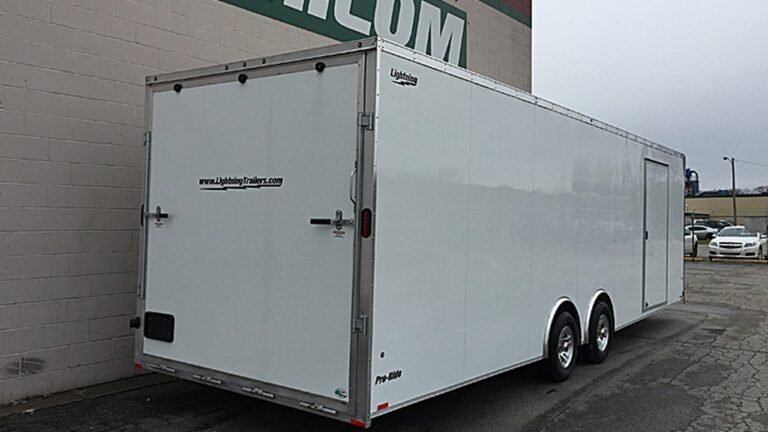
Enclosed makes sense in specific cases. A brand-new Model S Plaid or a wrapped car with expensive paint protection film justifies the premium. So does shipping through winter road-salt country if you are particular about the underbody.
Either way, the EV-specific preparation is the same. The trailer type changes the protection level, not the battery and software checklist.
Preparing the Battery
Charge the battery to roughly 30 to 50 percent before pickup. That is enough to drive on and off the carrier and reach a charger at delivery, without the downsides of shipping at a very high or very low charge.
Why not full? Manufacturers recommend against storing lithium batteries at 100 percent for extended periods, and transit is storage on wheels. Why not near empty? The car needs enough charge to move under its own power at both ends, plus a buffer for the unexpected.
A mid-range charge covers a multi-day trip comfortably. The car uses almost no energy while parked in transport mode, so 40 percent at pickup is still plenty at delivery a week later.
Software Settings Before Pickup
Disable Sentry Mode and any always-on features like cabin overheat protection. These drain the battery continuously, and a car that arrives dead is a car that cannot drive off the trailer.
Turn off any scheduled charging or preconditioning. The car should sit quietly for the whole trip. If you use third-party apps that wake the car, pause them for the shipping window.
Enable Transport Mode if your Tesla has it. This keeps the parking brake from engaging unexpectedly during loading and is specifically designed for winching and trailer transport. Tesla’s official instructions for transporters spell out the approved methods for each model.
The Key Handoff
Give the driver a physical key card, not just phone-as-key access. Cellular coverage is not guaranteed along the route, and the driver needs reliable access to move the car at pickup, at any transfer point, and at delivery.
Remove your phone as a key temporarily or leave it paired but hand over the card as the primary method. Tell the driver the PIN to drive if you have one set, or disable it for the trip.
What to Tell the Carrier
Mention that the car is a Tesla when you book. As with any shipment, you can verify the carrier’s credentials on the FMCSA site. Not because it changes the price, but because the dispatcher should assign a driver who has loaded EVs before. The differences are small but real: charge level, tow mode, frunk release location.
Confirm the pickup and delivery locations have room for the truck and that someone will be available with the key card. Teslas cannot be moved without electronic access, so a missed handoff stops everything.
Ask the driver at pickup to confirm the transport mode and charge level with you. Thirty seconds of alignment prevents the most common Tesla shipping headaches.
Your Tesla Pickup-Day Checklist
The night before pickup, run through the EV-specific items so nothing is left to the morning rush. Confirm the charge sits between 30 and 50 percent, disable Sentry Mode, cabin overheat protection, scheduled charging, and any third-party apps that wake the car, then enable Transport Mode if your model supports it.
Set the physical key card by the front door, and either share or temporarily disable the PIN to drive. Phone-as-key stays as a backup, but the card is what the driver will rely on at pickup, at any transfer point, and at delivery.
Photograph the car in daylight: all four sides, wheels, glass, the charge level on the screen, and the odometer. Note any wraps, paint protection film, or aftermarket wheels on the bill of lading, since these add value a standard inspection might miss.
When the driver arrives, mention the car is a Tesla and confirm they have loaded EVs before. Walk them through Transport Mode, the charge level, and where the frunk release is, since tow operators sometimes need front access.
Confirm the pickup and delivery spots can fit a full-size carrier, and that someone with the key card will be available at both ends. Teslas cannot be moved without electronic access, so the handoff is the one thing that cannot be improvised.
At delivery, walk the list in reverse. Inspect the car in good light, check the charge level against your pickup photo, confirm Transport Mode is off, and re-enable Sentry Mode, scheduled charging, and phone-as-key. Ten focused minutes at each end is the whole job.
Low Clearance and Loading
Teslas sit low, and the battery pack lives under the floor. Steep ramps can scrape the underbody, which is an expensive area to damage. Lift-gate loading avoids the problem entirely.
If the car is going on an open carrier, ask about the ramp angle. Experienced drivers know how to load low cars with boards or shallow approaches. Some drivers carry ramp extenders specifically for low cars; asking about them tells you immediately how often the driver loads vehicles like yours.
If the driver seems unsure, that is worth a conversation before the car goes up the ramp.
Aftermarket lowering makes everything worse. If your Tesla is lowered, disclose it when booking and strongly consider enclosed transport with a lift gate. The enclosed transport guide explains the loading advantages.
Inspection and Paperwork
Do the standard inspection routine: walk around with the driver, photograph everything, note every mark on the bill of lading. Teslas have large glass areas and distinctive wheels, so check those carefully.
Photograph the charge level and odometer at pickup. The odometer should barely move during transport, and the charge level documents that you handed over a properly prepared car.
Note any aftermarket additions: wraps, paint protection film, aftermarket wheels. These are valuable and should be specifically recorded. Our shipping insurance guide explains how to make sure they are covered.
At Delivery
Inspect the car before signing, in good light. Compare against your pickup photos. Check the underbody edges and rocker panels where ramp scrapes would show.
Check the charge level. It should be close to what you handed over. A significantly drained battery suggests Sentry Mode was left on, which is worth knowing but not damage.
Re-enable your settings: Sentry Mode, scheduled charging, phone key. The car has been sitting quietly for days, so give it a moment to wake up fully before driving.
Common Tesla Shipping Mistakes
The most common mistake is shipping at 100 percent charge or near zero. Both cause avoidable problems. The 30 to 50 percent window exists for good reasons.
Second is leaving Sentry Mode on. It can drain several percent per day, and a week in transit adds up. Over a full week that can mean 15 to 25 percent of charge gone before the car ever sees a plug.
A dead 12-volt battery at delivery turns a simple handoff into a service call.
Third is app-only key access. Phone keys fail at the worst moments, usually where there is no signal. The key card is the reliable backup that costs you nothing to provide.
Fourth is not telling the carrier the car is electric. Most of the time it does not matter, but the one time it does, you want a driver who has done it before. Our how car shipping works guide covers the general process these details fit into.
Frequently Asked Questions
Does it cost extra to ship a Tesla?
No. Teslas ship at standard rates for their vehicle size. The battery weight is within normal carrier limits, and there is no EV surcharge. You pay the same as any comparable sedan or crossover.
What battery level should my Tesla have for shipping?
Aim for 30 to 50 percent. That is enough to drive on and off the carrier and reach a charger at delivery, without the downsides of very high or very low charge during multi-day transit.
Should I ship my Tesla enclosed?
Open transport is fine and is how new Teslas reach delivery centers. Choose enclosed for new Performance models, wrapped cars, or if you are particular about keeping the car pristine. The EV preparation is identical either way.
Do I need to give the driver a key card?
Yes. Phone-as-key depends on cellular coverage, which is not guaranteed along transport routes. A physical key card gives the driver reliable access at pickup, transfer points, and delivery.
What is Transport Mode and should I use it?
Transport Mode is a Tesla setting designed for winching and trailer transport. It manages the parking brake behavior during loading. Enable it before pickup if your model supports it, following the steps in your owner’s manual.
Will shipping drain my Tesla’s battery?
Barely, if you prepare correctly. Disable Sentry Mode and always-on features, and the car uses almost no energy while parked. A mid-range charge at pickup is still plenty after a week in transit.
Can I track my Tesla with the app during shipping?
Yes, the Tesla app shows the car’s location as long as it has connectivity, and many owners watch the trip. Do not be alarmed by odd routing or long stops; carriers stage loads and wait out weather. Some transport companies also offer their own tracking, which is worth asking about.
What if my Tesla arrives with a dead battery?
It happens when Sentry Mode or another feature was left on. The driver will need a jump for the 12-volt system or a short charge to move the car off the trailer. Plan your first charging stop near the delivery point just in case, and treat a drained battery as a lesson for next time, not damage.
Should I remove my toll transponder before shipping?
Yes, take it out or seal it in the provided foil bag. Carrier routes pass through toll readers, and a transponder left active can rack up charges on your account. This applies to any car you ship, but EV owners forget it more often because the car feels like a gadget.
Shipping a Tesla is mostly shipping a car, plus a short EV checklist. Charge to the middle, kill the battery-draining features, hand over a key card, and tell the carrier what they are loading. The rest is standard transport.