
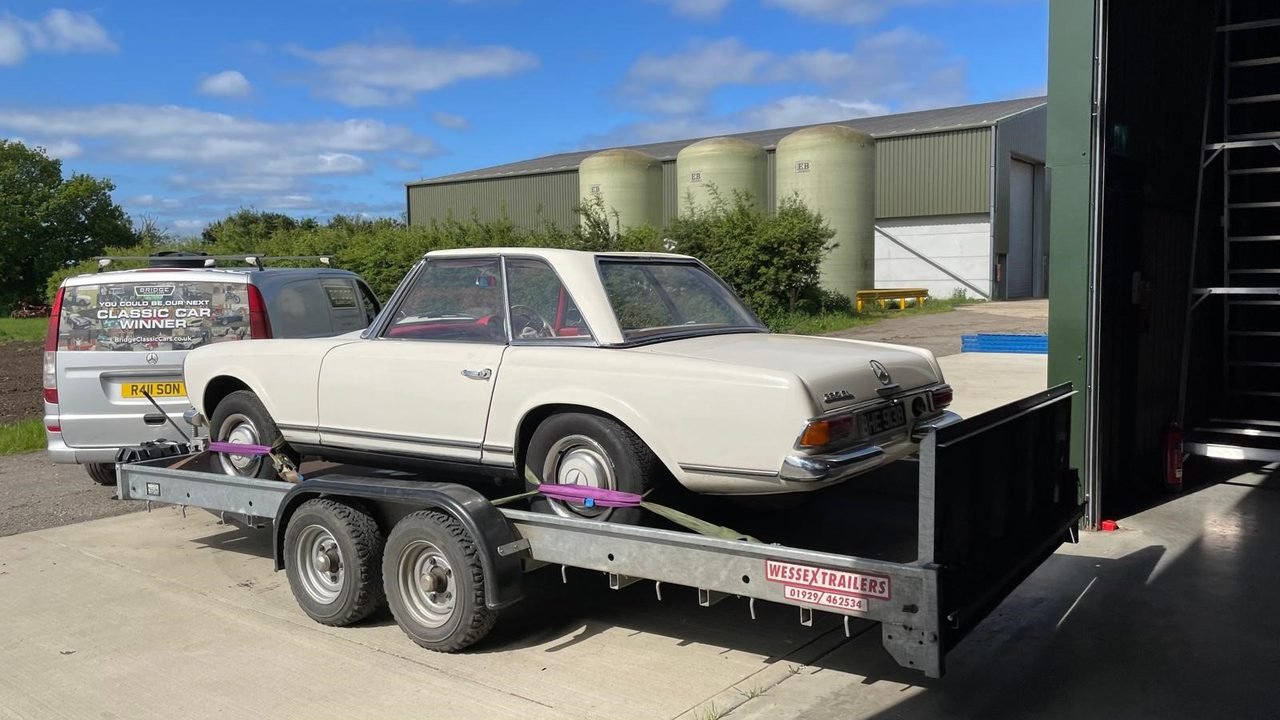
How to Ship a Classic Car
Shipping a classic car is not like shipping a regular car. The vehicle is worth more, harder to replace, and often more fragile than anything else on the trailer. The process rewards care at every step.
Whether you bought a classic at auction, inherited one, or are moving a restoration project, the goal is the same: the car arrives in exactly the condition it left. That takes the right trailer, the right preparation, and the right paperwork.
This guide covers how to ship a classic car safely, what it costs, how to prepare the car, and the insurance questions that matter most for valuable vehicles.
Always Choose Enclosed for Classics
For classic cars, enclosed transport is the default recommendation, not a luxury upgrade. Fresh paint, chrome, original finishes, and decades-old weather seals have no business facing highway rain and gravel at 70 miles per hour.
The cost premium for enclosed, usually 40 to 60 percent over open, is small compared to what a single paint correction costs on a classic. Our open vs enclosed guide breaks down the tradeoff in detail.
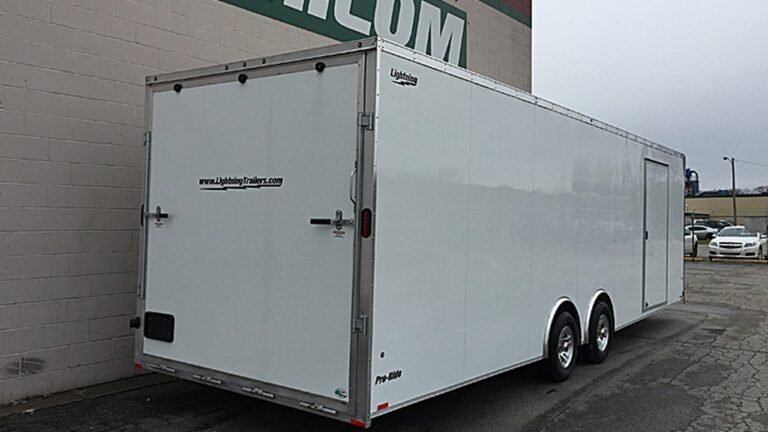
Within enclosed, hard-sided trailers are the top choice for irreplaceable cars. Soft-sided works for drivers in good condition, but a concours car or fresh restoration deserves the rigid box. The enclosed transport guide explains the trailer types.
What Classic Car Shipping Costs
Expect enclosed classic shipping to run roughly $1.20 to $2.00 per mile depending on distance, with shorter routes costing more per mile. A 1,000-mile enclosed move for a classic typically lands between $1,400 and $2,000.
Several factors move the price. Non-running cars cost more because they need winching. Oversized classics from the big-finned eras cost more because they take more trailer space. Remote pickup or delivery locations add cost for any shipment.
Season matters too. Summer moving season and the weeks around major auctions push enclosed prices up, since the same small fleet of enclosed trucks serves everyone. Shipping a classic in the spring or fall shoulder seasons typically costs less and books faster.
Get three to five quotes with identical details, and be suspicious of the lowest one. Lowball quotes on classic shipments lead to delays while the broker hunts for a carrier willing to take the job at that price. Our quote comparison guide shows how to read them.
Preparing Your Classic for Transport
Preparation starts with documentation. Photograph the car from every angle, including close-ups of existing chips, scratches, and imperfections. Date-stamp the photos. These are your evidence if anything happens.
Clean the car before pickup, inside and out. A clean surface makes the driver’s inspection accurate, and the bill of lading only protects damage it actually records. Dirt hides the marks that matter.
Remove or secure loose items. Hood ornaments, aftermarket mirrors, antennas, and anything that could catch wind or vibrate loose should come off or be firmly secured. Convertible tops go up and latched.
Mechanical Preparation
Check fluids and look for leaks. A slow oil drip is character on a classic, but tell the carrier in advance. Leaking cars get loaded on the bottom deck so they cannot drip onto other vehicles.
Make sure the battery holds a charge and the car starts reliably. If it does not run, say so when booking. Non-runners need a winch and a driver experienced with them, and springing it on pickup day causes problems.
Leave about a quarter tank of fuel. Enough to drive on and off the trailer, not so much that it adds unnecessary weight. Disable any alarm system that might trigger in transit.
Choosing the Right Company
Look for companies with real classic car experience, not just a website that mentions classics. Ask how many vintage cars they move per month and what their procedure is for non-runners and low-clearance vehicles.
Verify licensing on the FMCSA site like any other shipment. Then go further: ask for references from classic car customers, check reviews on enthusiast forums, and look at the company’s Better Business Bureau record.
A company that regularly works with auction houses, museums, and restoration shops has the right habits. These customers are demanding, and carriers that keep them happy will take good care of your car too.
Ask how they handle communication during transit. Classic shipments deserve proactive updates, not silence until delivery day. A company that offers tracking or scheduled check-ins is treating your car with the seriousness it deserves.
Insurance for Classic Cars
This is where classic shipping differs most from regular shipping. Standard carrier cargo policies may not cover the full value of a classic, and “actual cash value” can mean something very different from what the car is worth to you.
Ask the carrier for their exact cargo coverage limit in writing. If your car’s appraised value exceeds it, you need a plan: supplemental coverage, a declared-value policy, or a specialty insurer. Do not assume. Our car shipping insurance guide walks through the options.
Check whether your own classic car policy covers transport. Many agreed-value classic policies include transit coverage or offer it as a rider, sometimes at no extra cost. A five-minute call to your insurer can add a valuable second layer of protection.
If your policy does not include it, ask about a temporary transport rider for the shipping dates. These are usually inexpensive and fill exactly the gap between the carrier’s limit and your car’s agreed value.
Get an appraisal if you do not have a recent one. For high-value classics, the appraisal sets the number everyone works from if a claim is ever needed. It is cheap compared to the argument it prevents.
Pickup and Delivery
Be present for both if you possibly can. The pickup inspection sets the baseline, and the delivery inspection is your only chance to catch new damage before signing. With a classic, every mark matters.
Walk the car with the driver and make sure the bill of lading notes every existing imperfection. Vague entries like “some scratches” help nobody. Specific notes with locations protect you.
At delivery, inspect in good light before signing anything. Compare against your pickup photos methodically. Any new damage goes on the bill of lading first, signature second. Once you sign clean, claims get much harder.
Loading Day Checklist
Loading day is where preparation meets reality. The driver will typically call a few hours ahead with an arrival window, then again when close. Have the car accessible, clean, and ready to drive or winch onto the trailer.
Watch how the driver positions the car. On a multi-car enclosed trailer, classics usually go on the lower deck, away from any risk of fluid drips from above. If your classic leaks, say so plainly; drivers prefer honesty over discovering it on someone else’s paint.
Pay attention to the tie-down points. Straps should go on the frame or designated tie-down points, never on chrome bumpers, suspension arms, or bodywork. Soft straps and wheel nets are the standard for classics. If you see chains coming out, speak up before the car is secured.
Do the walk-around twice: once with the driver while noting every mark on the bill of lading, and once yourself with your camera. Specific notes beat vague ones every time. A quarter-sized chip on the passenger door edge is a record; some chips is a shrug.
Confirm the delivery window and the driver’s direct number before the trailer door closes. Get a receipt or copy of the bill of lading. For timing and pricing context on the shipment itself, our cost to ship a car guide keeps the numbers grounded.
Special Cases
Non-running project cars ship all the time, but they need winch-equipped trailers and honest disclosure at booking. Expect a surcharge of $100 to $200 for the extra work.
Extremely low cars need lift-gate loading or very shallow ramps. Tell the company the ground clearance when you book so they send the right trailer. Our company selection guide covers the questions to ask.
Cars with significant monetary or sentimental value sometimes justify single-car enclosed transport. It is expensive, but for a truly irreplaceable car, sharing a trailer with anything is a compromise worth avoiding.
Bought at Auction? Extra Steps
Buying a classic at auction and shipping it home is common, and it adds wrinkles. You often cannot inspect the car yourself before it ships, so arrange a pre-purchase inspection by a local specialist. The few hundred dollars it costs is nothing compared to shipping a car with undisclosed problems.
Coordinate pickup timing with the auction house. Most give you a limited window to remove the vehicle, sometimes as little as a few days, and storage fees start immediately after. Book your transport before the auction ends if you can, with pickup dates contingent on winning.
Get the auction condition report and photos, but treat them as a starting point. Your own inspection at delivery, compared against the auction documentation, is what protects you if the car arrives different from described.
Storage fees at auction houses typically run $25 to $75 per day after the free removal window expires. On an expensive car you cannot inspect in person, the pre-purchase inspection plus prompt shipping is cheap compared to weeks of storage while you sort out transport.
Frequently Asked Questions
Should I always ship a classic car enclosed?
Yes, in almost every case. The premium is 40 to 60 percent over open transport, which is modest compared to the cost of repairing weather or road damage on a classic. The only exception might be a rough driver-quality car where cosmetics truly do not matter.
How much does it cost to ship a classic car?
Enclosed classic shipping typically runs $1.20 to $2.00 per mile. A 1,000-mile move usually costs $1,400 to $2,000. Non-runners, oversized vehicles, and remote locations add to the price. Always get multiple quotes with identical details.
Does standard carrier insurance cover my classic’s full value?
Not necessarily. Standard cargo policies have limits that may fall short of a classic’s appraised value. Ask for the exact coverage limit in writing, and arrange supplemental or declared-value coverage if there is a gap. Check your own classic policy too.
What if my classic does not run?
Disclose it when booking. Non-runners need winch loading and cost an extra $100 to $200 or so. Most experienced classic carriers handle non-runners routinely, but the trailer and driver need to be set up for it in advance.
How do I document the car’s condition?
Take dated photos from every angle before pickup, including close-ups of existing imperfections. Make sure the bill of lading specifically notes each mark. At delivery, compare against your photos in good light before signing.
Should I drain fluids before shipping a classic?
No. The car should be in drivable condition with normal fluid levels, unless it is a non-runner being winched. Just check for leaks and tell the carrier about any drips in advance. Leaking cars are loaded on the bottom deck as a matter of routine.
Can I ship spare parts with the classic?
A small box of spare parts in the trunk is usually tolerated, but carriers do not insure them. Valuable or irreplaceable parts should ship separately with proper packaging and insurance. Ask the company about their specific policy before pickup.
How far in advance should I book classic car transport?
Two to three weeks on common routes, longer for rural pickups or during auction season. Enclosed capacity for classics is limited, and the experienced classic carriers book up first. Last-minute bookings are possible but expect fewer choices and higher prices.
A classic car deserves the careful version of every step: enclosed trailer, thorough documentation, verified insurance, and your eyes on the car at both ends. Do that and it will arrive the way it left.




One Comment