

Auto Transport Costs in 2026
If you are wondering what auto transport costs in 2026, here is the short answer. A standard sedan traveling 500 to 1,500 miles on an open carrier usually costs between $700 and $1,400.
Short trips under 500 miles typically run $400 to $800. Full cross country moves of 2,000 miles or more usually land between $1,200 and $1,800.
Those are real market prices being paid this year, not teaser quotes built to capture your phone number. Your exact price depends on distance, vehicle size, route, season, and fuel, and this guide walks through every one of them so you can book with confidence and skip the overpriced quotes.
National Average Auto Transport Costs in 2026
Most open carrier shipments in 2026 fall into a predictable band by distance. Under 500 miles, expect $400 to $800. From 500 to 1,000 miles, the typical range is $700 to $1,100. Trips of 1,000 to 2,000 miles usually cost $900 to $1,400, and anything over 2,000 miles lands between $1,200 and $1,800.
Real routes make this concrete. Dallas to Houston is about 240 miles and usually prices at $450 to $650. Dallas to Chicago runs roughly 970 miles and typically costs $800 to $1,100. Los Angeles to New York covers about 2,800 miles at $1,300 to $1,700. Miami to Seattle, around 3,300 miles, generally runs $1,400 to $1,800. If you want a fuller picture of what it costs to ship a car on other popular lanes, those ranges hold up well.
Enclosed transport adds 40 to 60 percent on top of open carrier pricing. That same Dallas to Chicago sedan would run roughly $1,200 to $1,650 enclosed. Most daily drivers do not need it, which we will get into below.
The 7 Factors That Decide Your Price
1. Distance
Distance is the biggest single factor, but it does not scale in a straight line. The first few hundred miles are the most expensive per mile because the carrier still has to dispatch, load, and schedule your car. After that, each additional mile gets cheaper.
This is why a 300 mile trip can cost $550 while a 1,500 mile trip costs $1,050. You are paying for five times the distance but less than twice the price. Longer hauls spread the fixed costs thinner.
2. Vehicle Size and Weight
Carriers price partly by how much space and weight your vehicle takes. A compact sedan is the cheapest thing to move. A midsize SUV usually adds $75 to $150, and a full size pickup or large SUV can add $150 to $300 over sedan pricing on the same route.
Modified vehicles cost more too. Lift kits, oversized tires, and roof racks change the footprint, and anything that does not fit a standard slot may need special placement. Tell the broker about modifications up front so the quote matches the actual vehicle.
3. How Popular Your Route Is
Busy lanes between major cities are cheaper because carriers run them constantly and rarely drive empty. Los Angeles to Dallas, Florida to New York, and Chicago to Denver are examples of high volume corridors with steady competition.
Rural pickups and drop offs cost more. If the driver has to detour 60 miles off the interstate for one car, that time gets priced in. Meeting the driver near a highway or in a nearby town can shave $50 to $150 off a rural quote.
4. Season and Timing
Summer is peak season, and prices run 10 to 25 percent higher from June through August. Families move, college students relocate, and snowbirds ship cars north, all at the same time. January and February are usually the cheapest months, along with late fall.
Snowbird season creates its own spikes. Florida to New York routes get expensive in April and May when cars head north, and the reverse direction spikes in October and November. If your dates are flexible, shifting by even two weeks can change the price.
5. Open vs. Enclosed Carrier
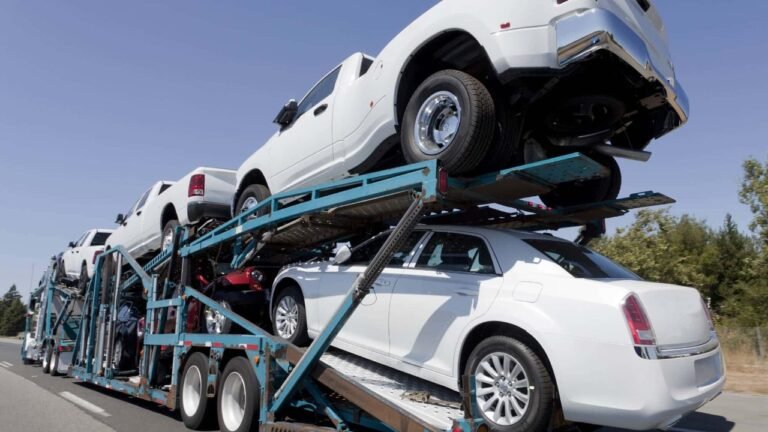
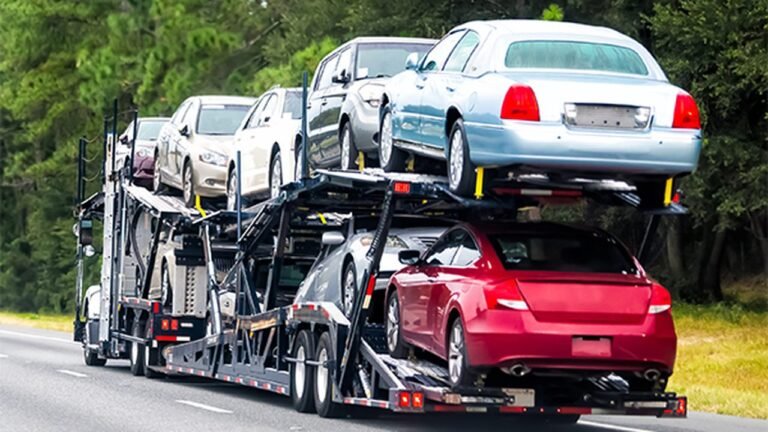
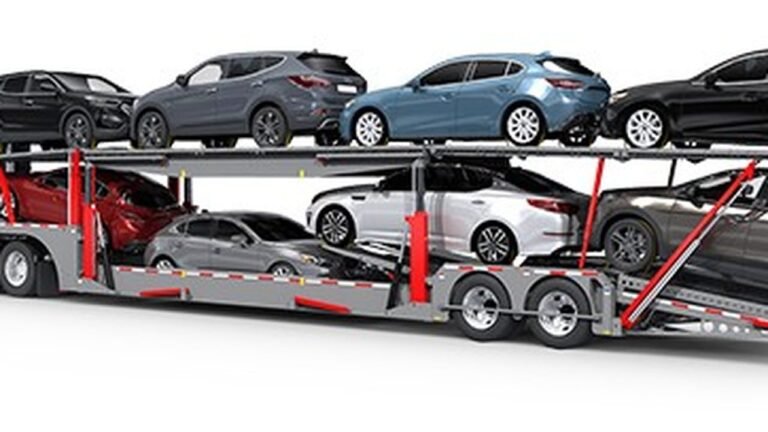
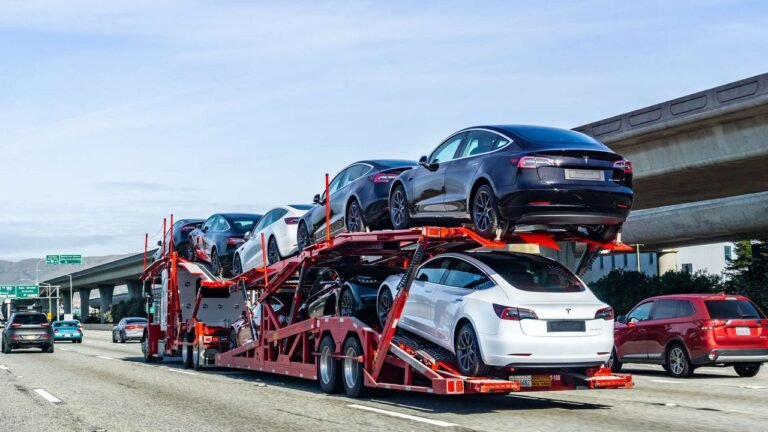
Open carriers move about 90 percent of all vehicles shipped in the US. Your car rides on an open trailer, exposed to weather and road dust, exactly like the new cars delivered to dealerships every day. It is safe, standard, and the cheapest option.
Enclosed trailers protect against weather, dust, and road debris, and they cost 40 to 60 percent more. They make sense for classic cars, exotics, and fresh restorations. For a daily driver, open transport is the smart money. Our full car shipping cost breakdown shows side by side numbers for both.
6. Whether Your Car Runs
An inoperable vehicle needs a winch to load and unload, plus extra time and sometimes special equipment. Expect to pay $100 to $200 more than the same car in running condition. Some carriers will not take inoperable vehicles at all, which shrinks your options.
If the car starts but has a dead battery or a flat tire, fix that before pickup if you can. A jump start is free. A winch fee is not.
7. Fuel Prices
Diesel is one of a carrier’s biggest costs, and quotes move with it. When diesel spikes, carriers raise rates within days, and brokers pass it through. The EIA petroleum data is the public source the industry watches, and you can check it yourself if a quote seems high during a fuel spike.
Fuel surcharges are usually baked into the quote rather than listed separately. If you get quotes a month apart and diesel moved 40 cents, a $50 to $100 swing is normal and not a sign anyone is padding the price.
How Auto Transport Quotes Actually Work
Most companies you talk to are brokers, not carriers. The broker takes your order, posts your vehicle to a national load board, and finds a licensed carrier with space on your route. The quote is the broker’s estimate of what a carrier will accept plus the broker’s fee.
This is why five quotes for the same move can span $300. Some brokers quote low to win your deposit and then struggle to find a carrier, which leads to delays and “we need $150 more” calls. A realistic quote from a reputable broker beats a cheap quote from a shaky one every time. Take time comparing car shipping quotes line by line before you commit, and verify the broker’s operating authority on the FMCSA website.
Quotes are usually good for 7 to 14 days. After that the broker reprices against current carrier rates. A deposit of $100 to $250 at booking is normal, with the balance paid to the driver at delivery by cash, cashier’s check, or sometimes card.
What a Fair Quote Looks Like
Take a running 2021 Honda Accord, Dallas to Chicago, about 970 miles, open carrier, flexible dates, booked two weeks out. A fair 2026 quote is $850 to $1,050 all in. That includes the broker fee and the carrier’s pay, with nothing due beyond the balance at delivery.
Now change the details and watch the price move. Make it a Ford F-150 and add $150. Make it enclosed and add 50 percent. Need it picked up in two days and add $100 to $200 for expedited service. None of these are rip offs. They are the real cost of real constraints.
How to Book Without Overpaying
Get three to five quotes and throw out the highest and the lowest. The cluster in the middle is the real market price for your move. Anyone far below it is either baiting you or planning to raise the price later.
Give a pickup window of three to five days instead of demanding one exact date. Flexibility lets the broker match you with a carrier already running your lane, which is the single easiest way to get a better rate. Running the numbers on a car shipping cost calculator first gives you a baseline so you can spot outliers fast.
Book one to three weeks out. Booking months ahead does not lock a lower price because carriers price close to the load date, and booking tomorrow forces expedited pricing. Check the company’s BBB profile and recent reviews before you hand over a deposit.
Frequently Asked Questions
Why do quotes for the same move vary so much?
Because brokers estimate what carriers will accept, and their estimates differ. Lowball quotes often cannot actually find a carrier at that price, which leads to delays or surprise increases. The middle of three to five quotes is usually the honest market rate.
Is the cheapest quote safe to book?
Not always. A quote far below the others often means the broker cannot cover a real carrier’s rate. You risk long waits and last minute price hikes. Verify the company’s MC number and reviews before booking on price alone.
Does the quote include insurance?
Yes, the carrier’s cargo insurance is included in every legitimate quote at no extra charge. Ask for the carrier’s certificate of insurance before pickup and confirm the coverage amount. Your personal auto policy usually does not cover transport.
How much more is enclosed transport?
Expect 40 to 60 percent more than open transport on the same route. A $950 open quote becomes roughly $1,350 to $1,500 enclosed. It is worth it for classics, exotics, and high value vehicles, and unnecessary for most daily drivers.
Why is my rural pickup quoted higher?
Carriers price the detour. Driving 50 miles off the main route for a single vehicle costs time and fuel that has to go somewhere. Offering to meet the driver near an interstate or in a larger nearby town often cuts $50 to $150 off the quote.
A fair price is one you understand. When you know the averages, the factors, and how quotes are built, you can spot a good deal in about five minutes.
Get your quotes, check the middle of the pack, verify the company, and book with a flexible window. That is the whole playbook, and it works on every route in the country.
One Comment