

The Cheapest Way to Ship a Car
The cheapest way to ship a car is an open carrier, booked two to three weeks out, with a flexible pickup window and quotes from at least three reputable brokers. That combination reliably beats the first quote you see by $200 to $500.
Cheap does not mean sketchy. It means understanding how carriers price freight and removing the expensive constraints from your shipment. Every tactic below is something the industry does every day for informed customers.
Work through all nine. Most people can stack at least four or five of them on a single move, and the savings add up fast.
What “Cheapest” Should Actually Mean
There are two kinds of cheap in auto transport. The first is a fair low price from a legitimate company that found an efficient way to move your car. The second is a bait quote designed to win your deposit and grow later.
The difference matters more than the number. A $750 quote from a vetted broker with real reviews will get your car moved. A $550 quote from a company with no verifiable MC number may never move it at all. Cheap is only cheap if the car actually ships at that price.
Every tactic below keeps you in the first category. None of them involve cutting corners on insurance, licensing, or carrier quality. If a “deal” requires any of that, it is not a deal. The FTC’s consumer site has plain language guidance on spotting too good to be true transport offers.
Nine Tactics That Lower Your Price
1. Ship on an open carrier
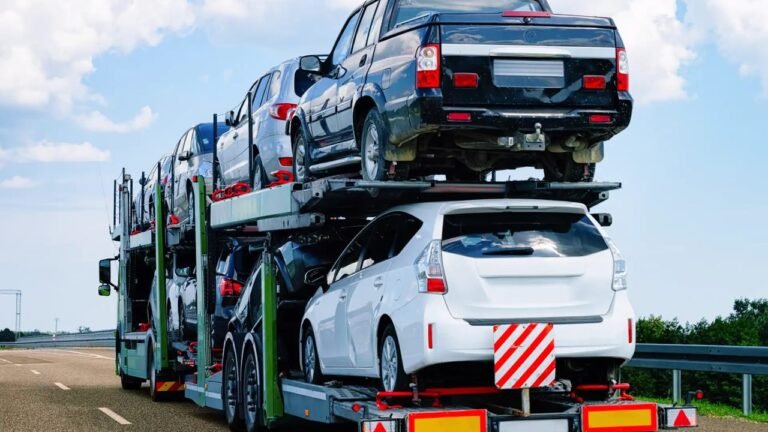
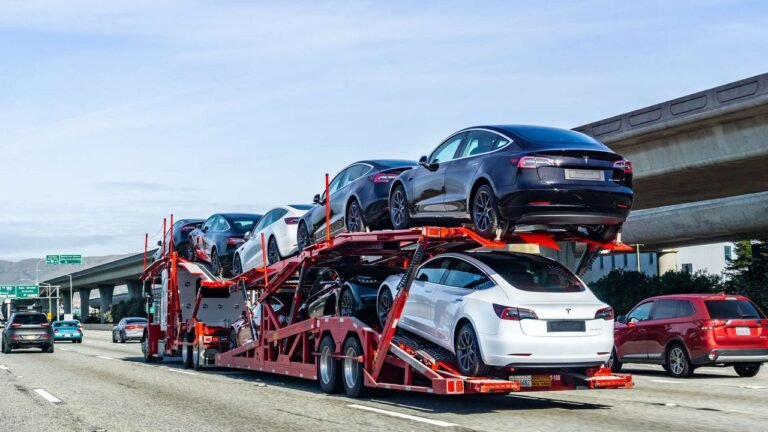
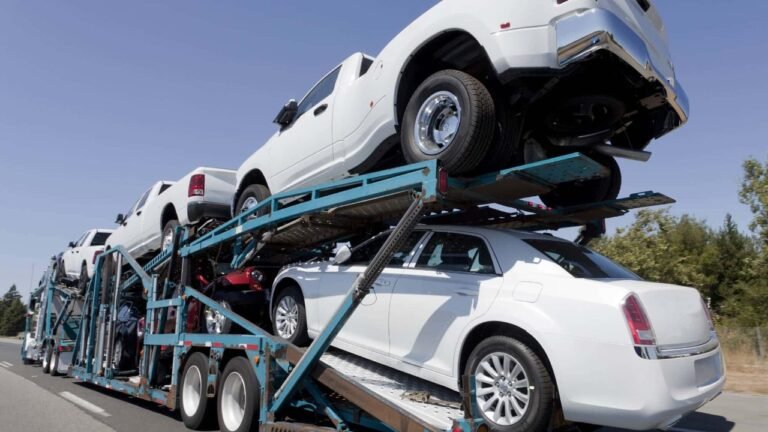
Open transport is the default for a reason. It costs 40 to 60 percent less than enclosed, and it is how dealerships receive new cars every day. Unless you are shipping a classic, an exotic, or a fresh restoration, open is the right call.
On a $1,400 enclosed quote, switching to open saves roughly $550 to $850. That single choice is often the biggest discount available on any shipment.
2. Give a flexible pickup window
Carriers build routes like puzzles, fitting cars together along a lane. A three to five day pickup window lets the broker slot your car into a truck already running your route. A single exact date forces them to build around you, and you pay for it.
Flexibility is typically worth $75 to $150. It costs you nothing except a little patience, and it is the easiest money in this list.
3. Ship in the off season
January, February, and late fall are the cheapest months to ship. Summer runs 10 to 25 percent higher because everyone moves at once. Snowbird lanes spike in both directions during migration months.
If your move is not date locked, shifting it by a few weeks can save $100 to $200 on a cross country trip. Even shifting within a month, from the last week to the first, sometimes helps.
4. Book two to three weeks ahead
Last minute bookings trigger expedited pricing because the broker has to find a truck fast. Booking two to three weeks out hits the sweet spot where carriers are planning routes but have not filled them.
Booking months ahead does not help much, since carriers price close to the load date. Booking with two days notice can add $100 to $250. Aim for the middle.
5. Meet the driver near the highway
Big car haulers cannot navigate every residential street, and rural detours cost real money. Offering to meet the driver at a truck stop, shopping center, or wide lot near the interstate removes that cost.
This routinely saves $50 to $150 on rural or suburban pickups. Confirm the meeting spot with the driver directly once dispatch assigns your load.
Four More Ways to Save
6. Keep the car light and stock
Carriers allow around 100 pounds of personal items in the car, and some charge for anything over that. A trunk packed like a moving van adds weight and can trigger fees or a refused load.
Remove roof racks, bike racks, and anything that changes the vehicle’s footprint. Modified or oversized vehicles take special slots that cost more. Stock and light is cheapest.
7. Make sure the car runs
Inoperable vehicles need a winch for loading, which adds $100 to $200 and shrinks the pool of carriers willing to take the job. Fewer options means higher prices.
A dead battery is the classic avoidable fee. Jump it or replace it before pickup day and the car ships at the standard operable rate. If it truly does not run, disclose it honestly so the quote is accurate.
8. Compare at least three quotes
Quotes for identical moves routinely span $300 or more. Getting three to five quotes and booking near the middle of the pack protects you from both overpaying and bait pricing. Comparing car shipping quotes side by side takes twenty minutes and is the highest value time you will spend on this.
Watch for the outlier low quote that comes with pressure to deposit today. Legitimate brokers do not need high pressure tactics. Check BBB ratings and recent reviews for anyone you are considering.
9. Ask about discounts
Military members, students, seniors, and multi-car shippers often qualify for discounts of $25 to $100. Brokers do not always advertise them, but many offer them when asked.
Shipping two cars together is especially powerful. The carrier fills two slots on one stop, and the per car price drops noticeably. Always mention every vehicle going to the same destination.
Three “Savings” That Will Cost You More
Terminal to terminal shipping sounds cheaper, and it can be, but terminals have mostly disappeared from the industry. If a company pushes it hard, ask where the terminals actually are. A 90 minute drive each way is not savings.
The rock bottom quote is the most expensive mistake in this business. When no carrier accepts the posted rate, your car sits, and the broker comes back asking for more money. Weeks of delay have a cost too. Verify any company’s MC number through the FMCSA before a suspiciously low price tempts you.
Skipping the inspection paperwork saves five minutes and risks hundreds. The bill of lading condition report is your only proof if damage happens. Always do the walkaround, take photos, and keep your copy. Our guide to finding cheap car shipping covers how to keep prices low without skipping these protections.
A Real Example. Dallas to Chicago
Take a running 2020 Toyota Camry, Dallas to Chicago, about 970 miles. Booked with fixed dates, enclosed trailer, two days notice, the quotes come in around $1,500 to $1,700.
Now apply the tactics. Open carrier, three week lead time, four day pickup window, meet near the interstate. The same car ships for $800 to $1,000. That is a $600 to $700 difference for the same 970 miles, achieved with zero risk and zero sketchiness.
The car arrives the same way, on a licensed carrier, fully insured, with a condition report at both ends. The only thing that changed was how smart the booking was. Running the numbers on a car shipping cost calculator before you call brokers makes the savings visible before you spend a dollar. And if you want the bigger picture, current auto transport costs in 2026 show where these tactics fit into the market.
Frequently Asked Questions
What is the absolute cheapest way to ship a car?
Open carrier, off season, flexible pickup window, booked two to three weeks out, on a popular route. Stack all five and you are at the floor of legitimate pricing. Anything cheaper than that is usually bait, not a bargain.
Is terminal to terminal shipping cheaper?
It can be, but true terminals are rare now, and the drive to reach one often erases the savings. Door to door with a highway meeting point usually beats terminal pricing once you count your time and fuel.
Can I put stuff in my car to save on moving costs?
Up to about 100 pounds is generally fine and included. Beyond that, carriers can charge extra or refuse the load, and personal items are not covered by cargo insurance. Do not treat the car as a moving van.
Does a flexible pickup date really save money?
Yes, typically $75 to $150. It lets the broker fit your car onto a truck already scheduled for your lane instead of finding a truck for your exact date. It is the simplest discount in this list.
Should I book the cheapest quote I find?
Only if it sits near the middle of several quotes from verified companies. A lone rock bottom quote is the number one cause of delays and surprise price increases in this industry. Cheap is good. Unrealistic is expensive.
Nine tactics, and none of them require luck. Pick the four or five that fit your move and the savings are real.
Start with your quotes, apply the tactics, verify the company, and book the fair low price. Your car ships safely, and your wallet stays intact.



One Comment